


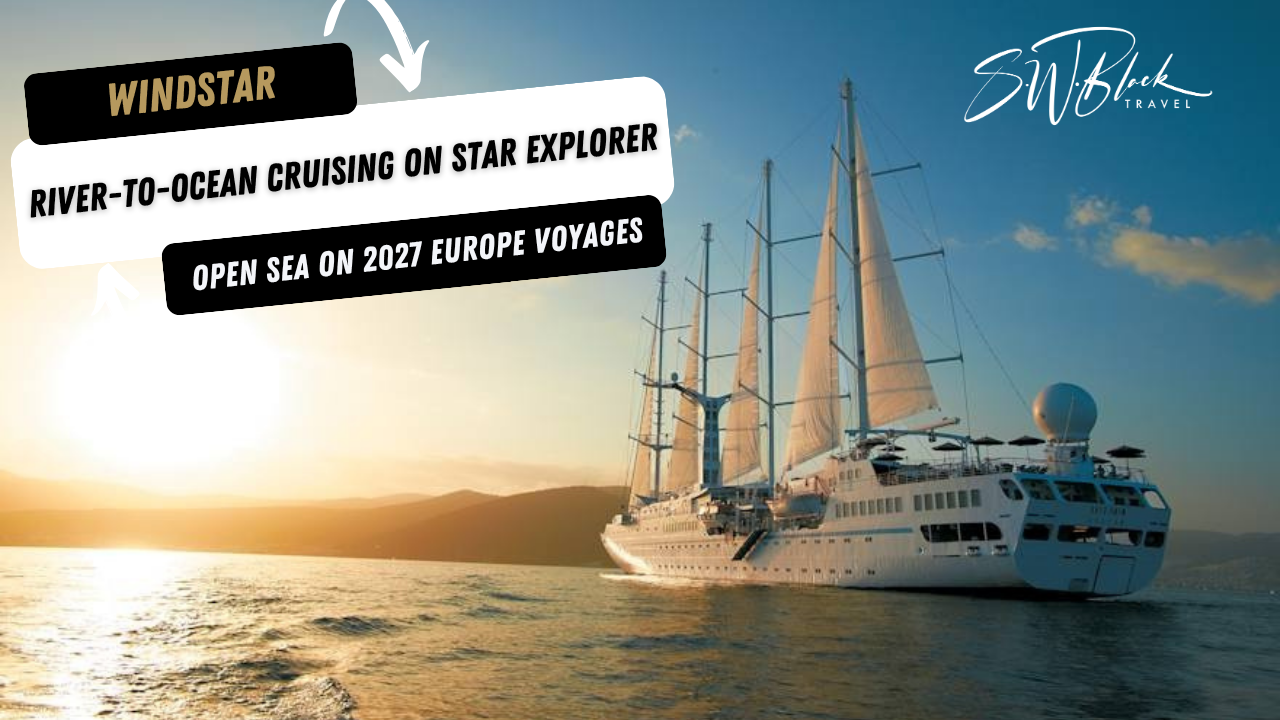
Cruise lines often expand by adding more ships, more regions, or more departures, but sometimes the more interesting move is changing the type of journey itself. That is what makes Windstar Cruises’ latest update worth a closer look. Instead of simply adding another Europe season, the line is introducing a style of travel that sits between classic river cruising and traditional small-ship ocean cruising, which could open up a more flexible way to see the continent.
Windstar Cruises is launching river-to-ocean cruising aboard Star Explorer, debuting in December ahead of 2027 Europe sailings. Early itineraries include Impressionist France from Bordeaux to London and Connoisseur’s Delight: Northern Spain and Portugal, combining river access with open-sea sailing so guests can enjoy more varied routing, smaller-scale port access, and a smoother transition beyond traditional river cruise patterns.
Why This New Category Matters for European Cruise Travel
This announcement is more than a product label. It points to a shift in how some travellers may start thinking about Europe, especially if they like intimate cruising but want a route that feels less confined to one format.
It Creates a Bridge Between Two Cruise Styles
Many travellers are drawn to river cruising because it feels close to the destination. The scenery is woven into the day, towns often feel immediately accessible, and the pace can be gentle in a way that suits culture-led travel. At the same time, travellers who enjoy that intimacy sometimes reach a point where they want a little more range, whether that means broader coastal access, more varied geography, or a stronger sense of moving between regions.
That is where Windstar’s new concept starts to stand out. By introducing river-to-ocean cruising, the line is offering a format that does not force travellers to choose so sharply between inland and coastal travel. Instead, it creates a journey that can hold some of the closeness of river sailing while still opening the door to open-sea movement and a wider route map.
It Helps Retain Travellers Looking for a Next Step
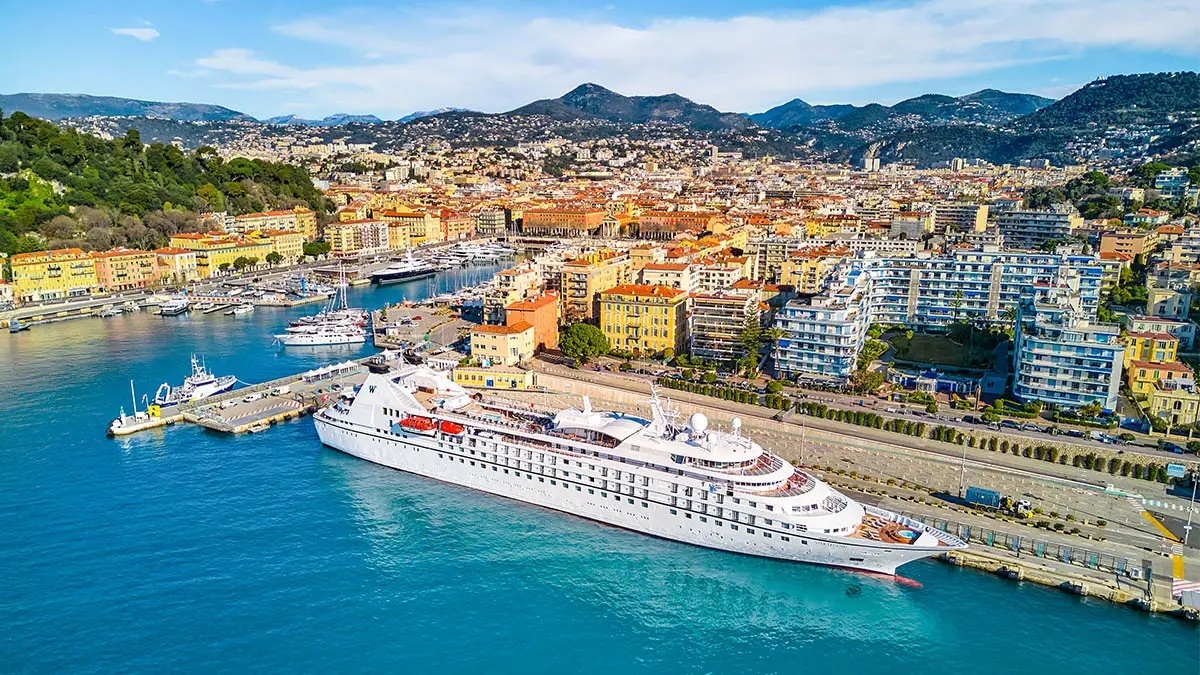
Windstar’s own framing makes it clear that this category is also designed to speak to existing river cruise guests. That makes commercial sense, but it also makes travel sense. There are many people who enjoy the smaller scale and destination focus of river cruising, yet do not necessarily want their next step to be a giant ocean ship with a completely different atmosphere.
This new category gives those travellers another path. Rather than asking them to give up the intimacy they already value, Windstar is offering something that keeps the feel of a yacht-style experience while expanding where the ship can go. That may prove especially appealing to repeat cruise guests who want something fresh without abandoning the travel style they already know suits them.
Smaller Vessels Can Change the Logic of an Itinerary
One of the strongest lines in this announcement is the idea that Windstar’s yachts can unlock destinations that traditional river ships and large ocean vessels cannot reach in the same way. That matters because access often defines the character of a cruise more than any single onboard feature. The right vessel size can change where a voyage starts to feel special, how ports are sequenced, and whether the route feels familiar or more distinctive.
In practical terms, this is what gives the new category its value. It is not just about branding a cruise differently. It is about using vessel type to create itineraries that do not fit neatly into the usual river or ocean boxes, which can make the holiday feel more layered from the start.
How Star Explorer Will Introduce the Concept
A new cruise category only becomes meaningful when travellers can picture how it works in real life. Star Explorer is central to that, because she is the ship being used to show what this hybrid style can actually look like on the water.
Her Debut Gives the Category a Real Starting Point
Windstar says Star Explorer will make her debut in December, which is important because it gives this concept a clear beginning rather than leaving it as a distant idea. Travellers can connect the category to a named ship, a launch point, and a set of sailings that already show the direction Windstar wants to take. That makes the announcement more concrete and easier to plan around.
A clear debut also helps build confidence. When a line is introducing something new, guests want to know that the idea has a real operational base behind it. In this case, the ship gives the category structure, timing, and identity all at once.
Impressionist France Sets a Strong Cultural Tone
One of the first named itineraries is Impressionist France, sailing from Bordeaux to London. That route says a great deal about how Windstar wants this category to feel. Bordeaux already carries strong associations with wine, gastronomy, and French cultural travel, while London adds the scale and recognition of one of Europe’s major gateway cities.
This matters because it shows the category is not being positioned as a technical routing exercise alone. It is being shaped as a fuller travel story, one that links cultural regions and broader geographic movement in a single sailing. For travellers, that can feel richer than a route that stays within only one cruising environment from start to finish.
Northern Spain and Portugal Adds a Different Regional Mood
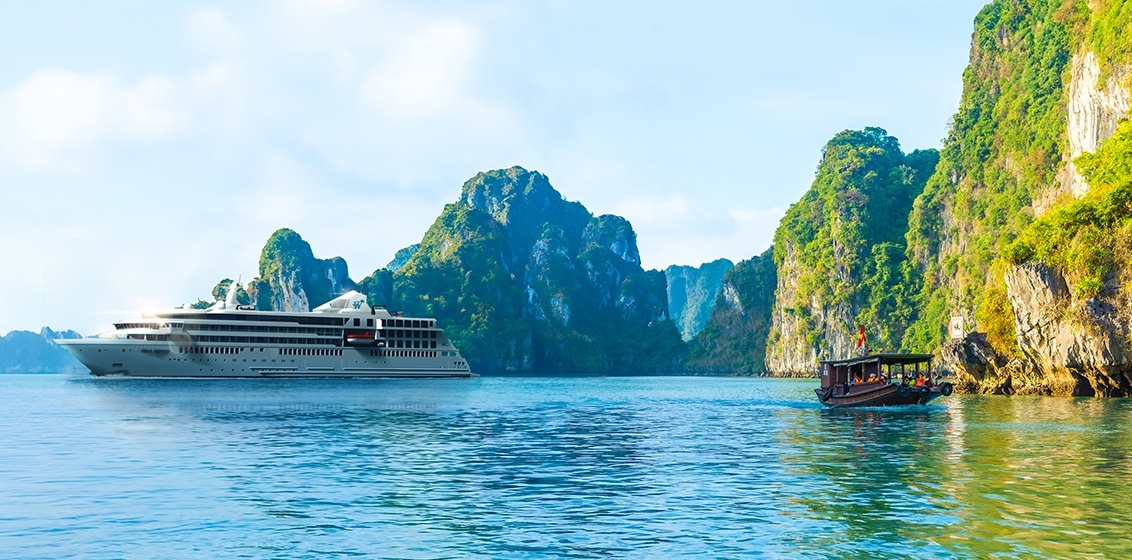
The second highlighted itinerary, Connoisseur’s Delight: Northern Spain and Portugal, broadens the picture further. With sailing on the Garonne and Gironde rivers, it shows that Windstar is serious about using inland waterways as part of a wider Europe strategy rather than as a one-off novelty. The route also introduces a different mood, with more emphasis on Iberian character, food, wine, and coastline.
That variety is important because it prevents the new category from feeling too narrow. Windstar is showing that the concept can support more than one regional personality. That helps travellers see river-to-ocean cruising as a flexible format rather than a single route idea dressed up as a new category.
What Travellers May Actually Gain From This Style of Cruise
New cruise concepts only matter if they improve the holiday in a meaningful way. In this case, the strongest benefits seem to be flexibility, broader access, and a more blended route experience for travellers who do not want to be locked into one cruising style.
One Voyage Can Offer More Route Variety
A standard planning decision often asks travellers to choose between an inland cruise and a coastal or ocean voyage. Those options both have strengths, but they also create a divide at the booking stage. Windstar’s new approach suggests that one trip can carry both kinds of movement, which may make the journey feel more complete for travellers who enjoy variety in landscape and rhythm.
That broader route logic can be very appealing in Europe. Travellers may move from a more intimate waterway setting into a wider coastal environment without changing ships or changing the overall tone of the holiday. The result is a cruise that may feel more dynamic without becoming less intimate.
The Destination Access Could Be the Real Draw
For many guests, the most valuable part of this new format will be access. Cruise lines can speak all day about onboard atmosphere, but where a ship can and cannot go often becomes the real differentiator. A vessel that can move between rivers and open sea has more freedom to connect places that would otherwise sit in separate travel categories.
That gives the itineraries an advantage that travellers can actually feel. Instead of choosing only one type of water-based journey, they may be able to enjoy a route that threads together inland character and broader coastal reach. In many cases, that combination will be more memorable than simply sailing a standard route more comfortably.
It Could Suit Travellers Who Have Outgrown Standard River Cruising
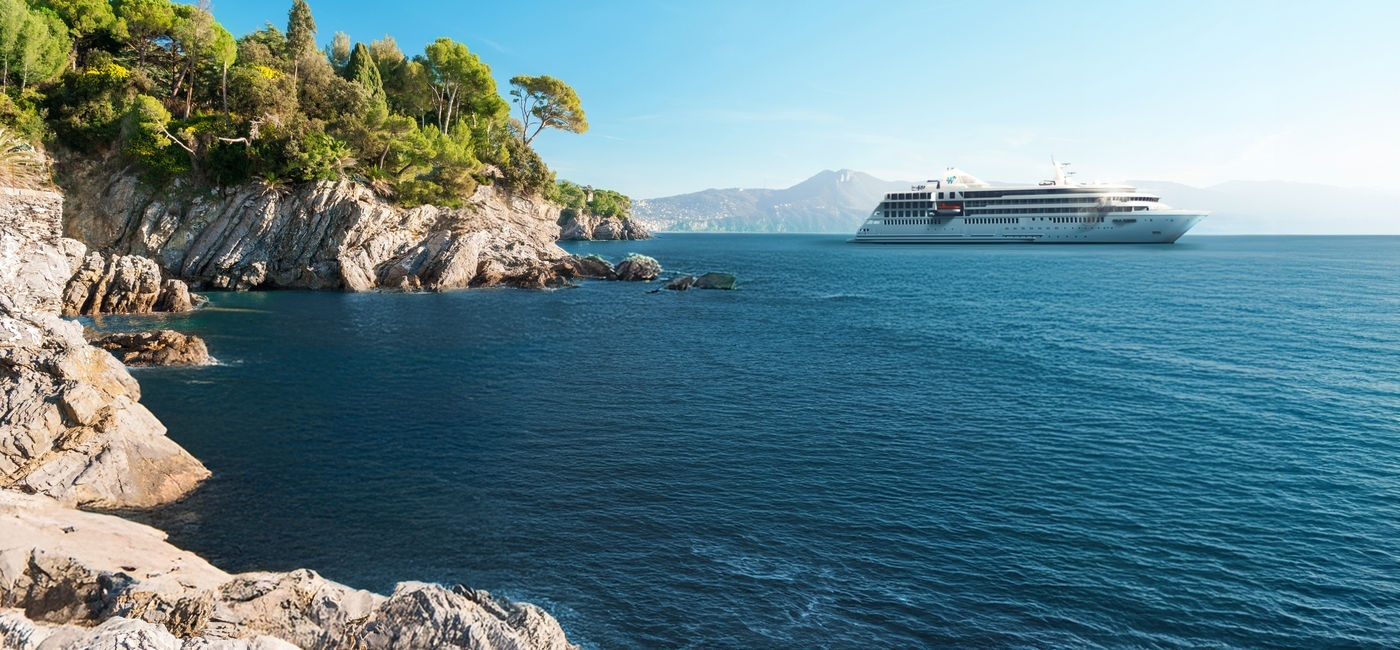
This new category does not replace river cruising, and it does not need to. What it seems to offer is a next-step option for travellers who enjoy smaller-scale, destination-rich holidays but now want a bit more breadth. Some may feel ready for a wider route, but not for the scale or atmosphere of a large ocean vessel.
That is where Windstar may have found an especially useful niche. These sailings may appeal to guests who still want a yacht-like feel, still value access and intimacy, and still care about destination texture, but who also want something that stretches further than a classic river-only journey. For that audience, the category makes genuine sense.
If this kind of European sailing sounds more aligned with how you like to travel, the Cruise Finder is a helpful place to compare Windstar with both traditional river cruises and other small-ship options. Looking across those choices can make it easier to decide whether your ideal trip leans more towards river intimacy, coastal reach, or a blend of both.
It is also a useful way to see how different cruise formats handle destination access, ship atmosphere, and itinerary design. For travellers who already know they prefer smaller vessels, that side-by-side comparison can be especially valuable when a new concept like this enters the market.
Consider a Broader Way to Cruise Europe
Windstar’s launch of this new category stands out because it is not merely adding another ship deployment to Europe. It is introducing a way to think differently about how a cruise can move through the region, with Star Explorer positioned to connect rivers and open sea in one journey while giving travellers access that sits between traditional river ships and larger ocean vessels. That makes the announcement more than a scheduling update, it makes it a useful signal of where smaller-ship European cruising could be heading.
For travellers who like the intimacy of river-style travel but want more routing freedom and a slightly wider horizon, this may be one of the more interesting developments in the current Europe cruise conversation. If you would like help comparing these new Windstar sailings with other Europe options, get in touch with S.W. Black Travel to find the voyage that best fits your travel style.

Comments