


.png)
Cruise holidays are often marketed around excitement, sunshine, entertainment, and the promise of easy family time, but for many travellers, ease is not created by a waterslide or a beach club alone. It is created by knowing that the environment will be manageable, that support will be available when needed, and that nobody in the travelling party will be made to feel out of place for experiencing the world differently. That is why Carnival Cruise Line’s latest accessibility milestone matters far beyond one destination announcement.
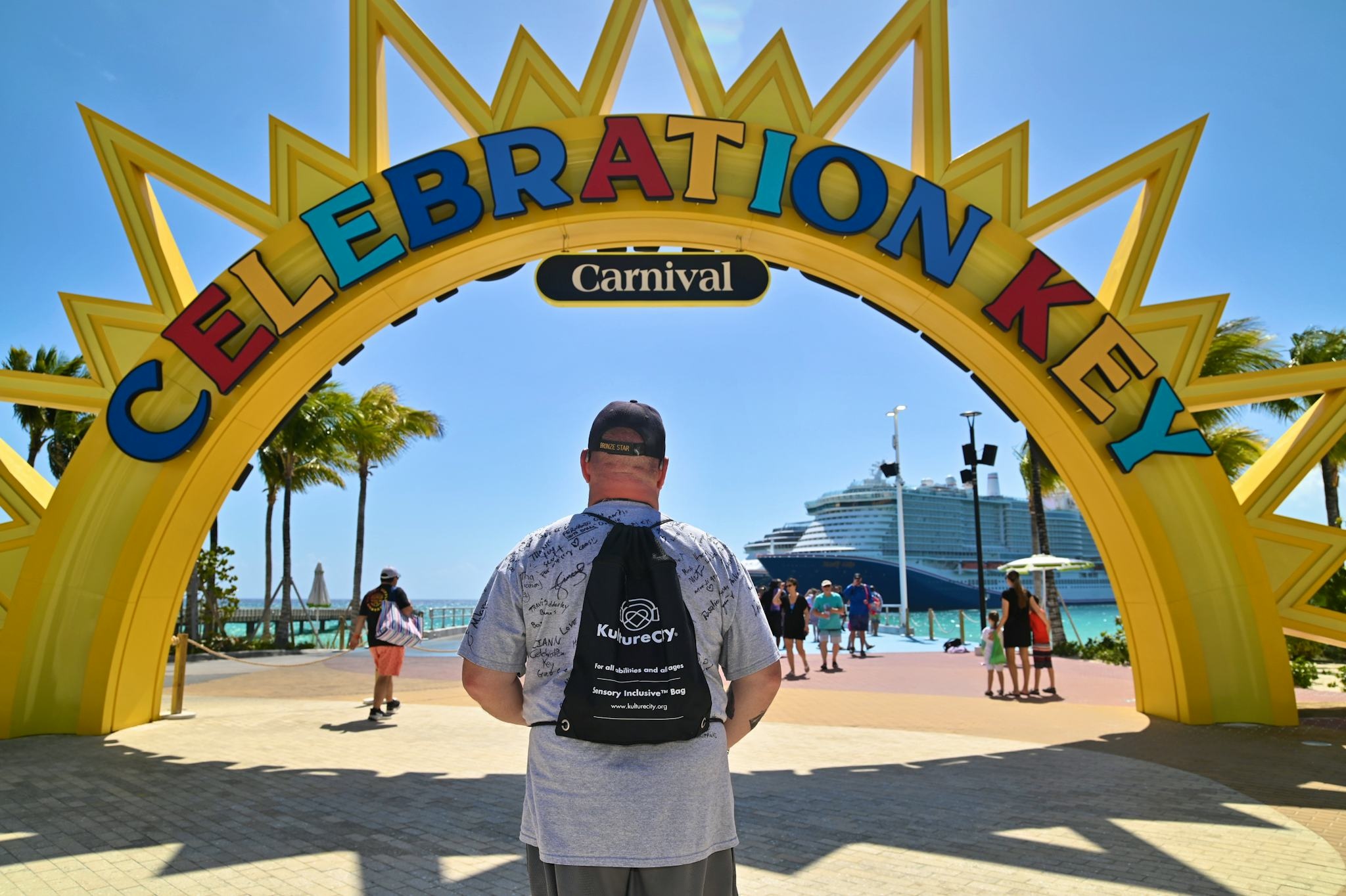
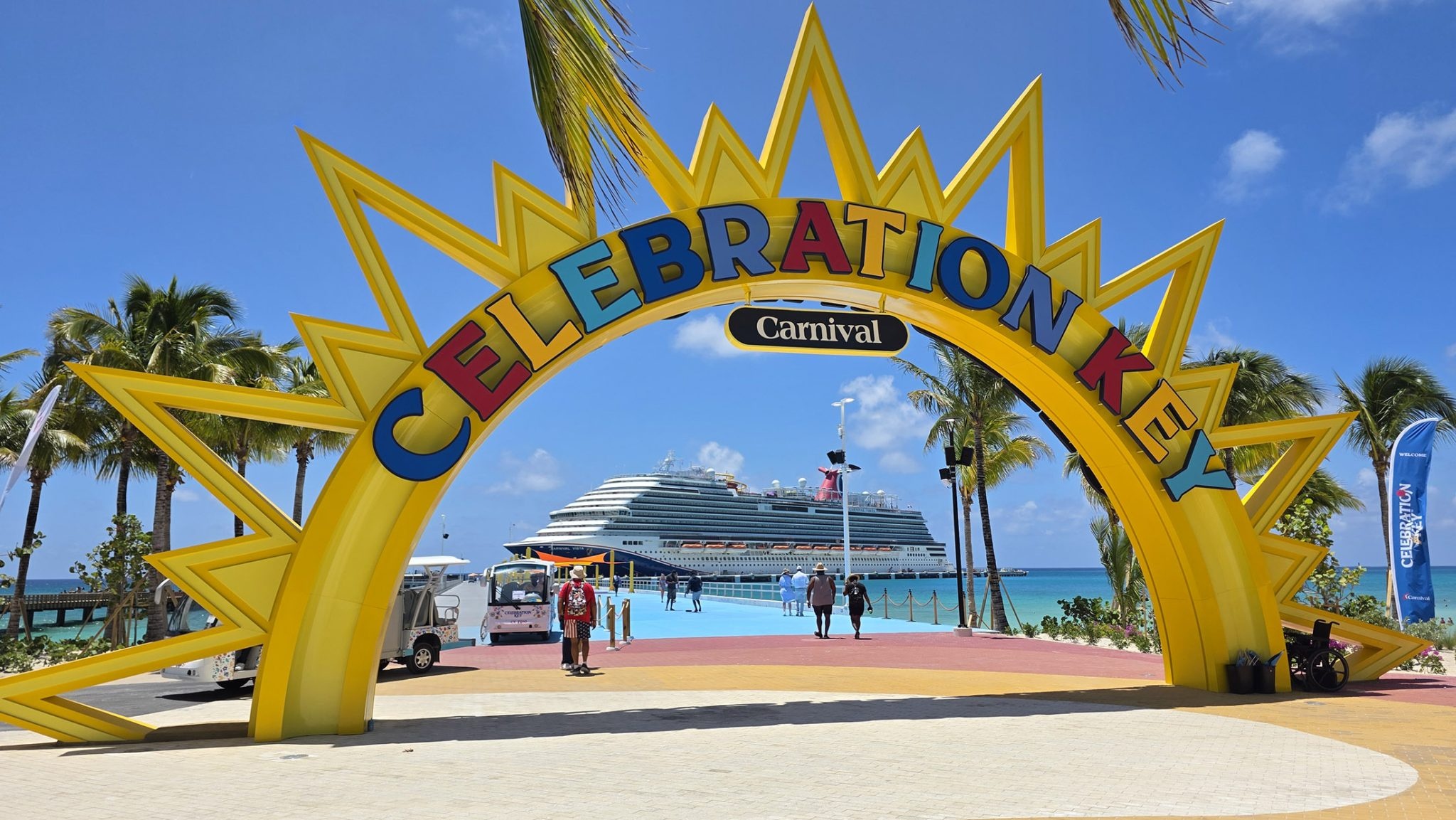
Celebration Key has become the first cruise destination to earn KultureCity’s sensory inclusion certification, expanding Carnival’s accessibility efforts beyond the ship and into the shore experience. The programme includes team training, complimentary sensory packs, non-verbal communication tools, support symbols for staff awareness, and a wider focus on helping guests with sensory needs and invisible disabilities feel more confident, understood, and included throughout the holiday.
Why This Accessibility Milestone Matters So Much
This recognition matters because it shifts the conversation away from accessibility as a background feature and towards accessibility as part of the destination’s core design. It also shows that inclusive travel is not only about physical infrastructure, but about how an environment feels to the people moving through it.
Sensory Inclusion Brings Invisible Disabilities Into Focus
For a long time, accessibility in travel was most commonly discussed in terms of visible mobility needs, and that remains essential. What makes this announcement so important is the way it brings sensory needs and invisible disabilities into a clearer and more public space. Travellers living with autism, dementia, PTSD, or sensory processing disorders often face barriers that are not obvious to other guests, yet those barriers can shape an entire holiday.
This is why sensory inclusion deserves more attention in cruise travel than it usually receives. A destination can look attractive, polished, and family-friendly in promotional images while still being overwhelming in practice because of noise, bright lighting, crowds, or communication challenges. Carnival’s work here acknowledges that reality and treats it as something worth planning for, not something guests must quietly work around on their own.
Certification Gives the Effort More Credibility
The fact that this recognition comes from KultureCity adds real weight to the announcement. It is one thing for a cruise line to say it cares about inclusion, but it is more meaningful when that effort is recognised through a specialist organisation that focuses on creating more sensory-inclusive environments. That outside perspective makes the programme feel more structured and more accountable.
For travellers and families, credibility matters. Many people booking a holiday with additional support needs are not only looking for good intentions, they are looking for evidence that the line has thought about the details properly. A certification process suggests that the work has moved beyond broad language and into practical, observable standards.
This Changes the Meaning of a Destination Story
Private destination updates are usually framed around attractions, dining options, pool zones, or beach access. This story is different because it changes the value proposition of the destination itself. Instead of asking only what guests can do there, it asks how guests can feel there, and that is a far more human way to talk about travel.
That makes this one of the more important recent cruise stories, because it introduces a fresh benchmark. A destination is not only successful because it is lively or visually appealing. It is also more successful when more people can participate in it comfortably and with dignity. That is a different standard, and a much more meaningful one.
How Carnival Is Building Practical Support Into the Experience
The strongest part of Carnival’s announcement is that the support is not vague. It includes tangible tools, recognisable signals, and training that can make the difference between a stressful day and a manageable one. Those details are what turn inclusion from a concept into something useful.
The Sensory Packs Address Real Trigger Points
Guests with sensory needs at the destination can receive complimentary packs containing noise-reducing headphones, fidget tools, and glasses with filters designed to block strobe and bright lights. These are simple items, but they are also highly practical because they respond directly to common triggers that can make a cruise environment feel difficult. Instead of expecting guests to simply adapt to the setting, the setting is offering them meaningful support.
This matters because accessibility often works best when it is proactive. A support item handed over before overwhelm becomes unmanageable is far more useful than assistance offered only after a situation has escalated. By making these packs available, Carnival is showing that it understands how small tools can protect a guest’s ability to stay engaged in the holiday.

Communication Tools Help Guests Express Their Needs
One of the most thoughtful details in the announcement is the inclusion of a feelings thermometer to help non-verbal guests communicate how they are feeling. This is particularly important because not every guest is able to quickly verbalise discomfort, rising stress, or sensory overload in an unfamiliar environment. A communication aid can make that process less frustrating for everyone involved.
This is also a reminder that inclusive travel is not only about reducing sensory triggers. It is about helping people remain understood once they are in the environment. When guests and families have a clearer way to communicate need, support becomes faster, calmer, and more respectful.
Visible Symbols Can Reduce Repeated Explanation
Carnival is also providing a VIP lanyard with a headphone logo and light bulb symbol to signal to staff that the guest may need additional support. That may sound like a small administrative detail, but in practice it can reduce one of the most draining parts of accessible travel, the repeated need to explain a situation from the beginning every time a new team member is involved. A discreet system helps recognition happen faster.
That can be especially helpful for families and carers. Many already spend large parts of a holiday anticipating stress points and trying to advocate clearly in busy public spaces. A recognisable support symbol eases some of that emotional labour and can make interactions with staff feel more informed from the outset.
Why This Could Matter Deeply to Families and Other Travellers
Although the announcement naturally speaks to family travel, its relevance is wider than that. It matters to guests of different ages, travelling in different groups, because sensory inclusion is not limited to one life stage or one kind of holiday.
Lower Stress Can Make the Holiday Feel Possible
For many families, the hardest part of travel is not deciding whether a child or loved one would enjoy the destination in theory. It is deciding whether the whole experience will become so overwhelming that enjoyment never has a chance to happen. That is why support systems like these matter. They reduce uncertainty, and uncertainty is often one of the biggest barriers to booking in the first place.
A cruise holiday becomes more realistic when people know there is a plan for sound, light, communication, and staff awareness. That may not remove every challenge, but it can lower the overall stress of the trip. For many travellers, that is the difference between a holiday that feels risky and one that feels worth saying yes to.
Invisible Disabilities Span More Than One Group
It is also important that Carnival and KultureCity frame this around a wider range of needs, including autism, dementia, PTSD, and sensory processing disorders. That broader framing matters because sensory support should not be treated as relevant to only one group. Guests of different ages and circumstances may all benefit from calmer systems, clearer signals, and staff who understand how to respond more thoughtfully.
This gives the announcement broader significance within cruise travel. It suggests that support tools do not need to be narrowly designed to help one very specific type of guest in order to be valuable. They can work across a range of invisible disabilities and still remain practical and respectful.
Caregivers Benefit Too, Even When They Are Not Named First
Another point worth highlighting is the effect this can have on parents, carers, and travel companions. Support systems like these help the guest directly using them, but they also reduce pressure on the people travelling alongside them. That can ease the strain of constant explanation, constant monitoring, and constant contingency planning.
In that sense, the value of this initiative reaches beyond the individual guest. It helps support the wider travel group and makes the whole day feel more manageable. Inclusive design often works like that. It starts with a specific need, but the benefits spread more widely than people first expect.
What This Says About Carnival’s Wider Direction
This destination recognition would already be notable on its own, but Carnival’s announcement becomes more meaningful because it is linked to wider efforts across the cruise line. That makes the story feel less like a standalone gesture and more like part of a broader accessibility direction.
The Onboard and Ashore Support Connection Matters
Carnival says the work at the destination adds to its fleetwide efforts, including the training of shipboard team members. That connection is important because accessibility should not stop once guests leave the ship, nor should it begin only once they step ashore. The most helpful support usually feels continuous across the whole journey.
This makes the Celebration Key certification more significant. It is not being presented as an isolated island feature, but as part of a more joined-up guest experience. That kind of continuity can make a major difference to traveller confidence, because inconsistent support is often one of the biggest sources of stress in accessible travel.
Booking Support Starts Before the Cruise Begins
Another especially important detail is the mention of Carnival’s call centre team and their role during the booking process. This is easy to overlook, but it may be one of the strongest signs that the cruise line understands where accessible travel really begins. Families and travellers with additional needs often require reassurance and clarity long before embarkation day arrives.
When booking teams are trained properly, travellers are more likely to receive useful information early and make informed decisions with less confusion. That can shape whether someone proceeds with the booking at all. In other words, inclusive travel planning does not start on the island or even at the port, it starts at the first point of contact.
The Industry Will Likely Pay Attention
Because this is the first cruise destination to earn this specific certification, Carnival has moved into a visible leadership position on this issue. Other cruise lines and destination developers will almost certainly pay attention to how this is received, not only because of brand optics, but because guest expectations can change quickly once one company proves something can be done more thoughtfully.
If this milestone influences wider industry thinking, then the importance of the story grows even further. It becomes not just a Carnival development, but a sign of where parts of cruise travel may need to head next. That is why this announcement deserves attention well beyond the usual private destination update cycle.
If accessible travel planning plays a major role in how you choose a cruise, the Cruise Finder is a useful place to compare cruise options with more than itinerary alone in mind. It gives you room to think about ship style, destination type, and the kind of guest experience that may best suit your needs.
It can also help families and travellers look beyond the headline attractions and focus on what makes a holiday feel more manageable day to day. That kind of comparison can be just as important as the itinerary itself.
Choose a Cruise Experience That Feels More Supportive
Carnival’s recognition for Celebration Key matters because it moves accessibility into the centre of the destination conversation and shows what more thoughtful travel design can look like in practice. With trained staff, communication tools, complimentary sensory packs, and a clearer understanding of invisible disabilities, the cruise line is making a case for holidays that feel not only fun, but more genuinely inclusive from booking through to arrival. If that kind of support matters to you or your travel plans, get in touch with S.W. Black Travel to explore cruise options with greater confidence.

Comments