


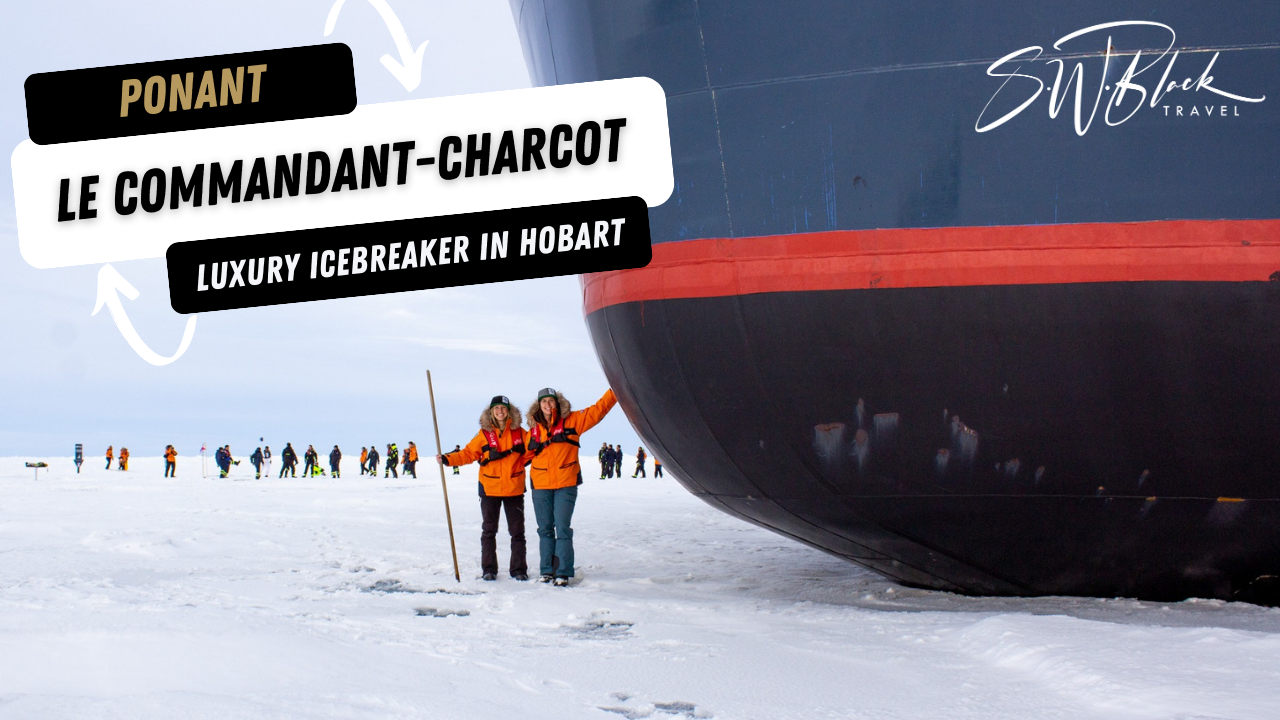
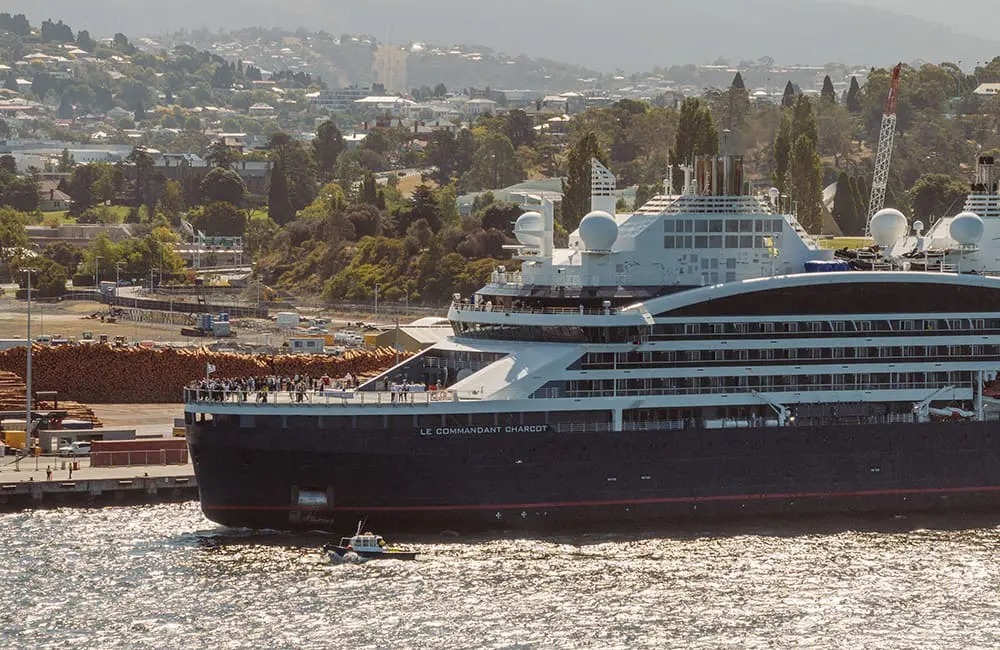
If you’ve ever wondered why Hobart keeps popping up in Antarctic conversations, this week offers a pretty memorable answer. Ponant Explorations’ luxury icebreaker has arrived in Hobart for the first time, wrapping up a rare half-circumnavigation of Antarctica that traced some of the continent’s most remote, least-visited coastlines. For travellers, it’s a strong reminder that the story of Antarctica is not only about what you see on the ice, but it’s also about the gateway cities that make these journeys possible.
Ponant Explorations’ Le Commandant-Charcot has docked in Hobart for its first-ever Australian visit, concluding a half-circumnavigation of Antarctica across remote East Antarctic regions including Adélie Land, Wilkes Land, the Shackleton Ice Shelf, and Queen Mary Land. The ship now sails toward Cape Town via Antarctica, then continues on a 20-night voyage to France, with plans to return in around two years for a full Antarctic circumnavigation departing from Australia.
Hobart Welcomes a Rare Kind of Visitor
Hobart doesn’t just host cruise ships; it supports polar ambition. When a specialist vessel arrives here after pushing deep into East Antarctica, it highlights Hobart’s place in the working network that keeps Antarctic travel, science, and logistics moving. It also gives travellers another compelling way to think about starting or finishing a big expedition.
Why Hobart Is a Natural Polar Gateway
Hobart’s strength is that it already operates in a world where Antarctica is part of the calendar, not a general idea. That experience filters into how efficiently ships can provision, how smoothly operations can run on turnaround days, and how realistically visitors can plan buffer time before and after sailing. For anyone flying in from overseas, those buffers are not just convenient; they can be the difference between feeling rushed and feeling ready.
There’s also a mindset shift that happens here. Spend a day or two on the waterfront, visit the maritime museums, or simply watch the working harbour, and you get a sense that this is a city used to big southern distances. That helps set the tone for an expedition where the environment shapes the plan.
What a First Call Signals for Future Departures
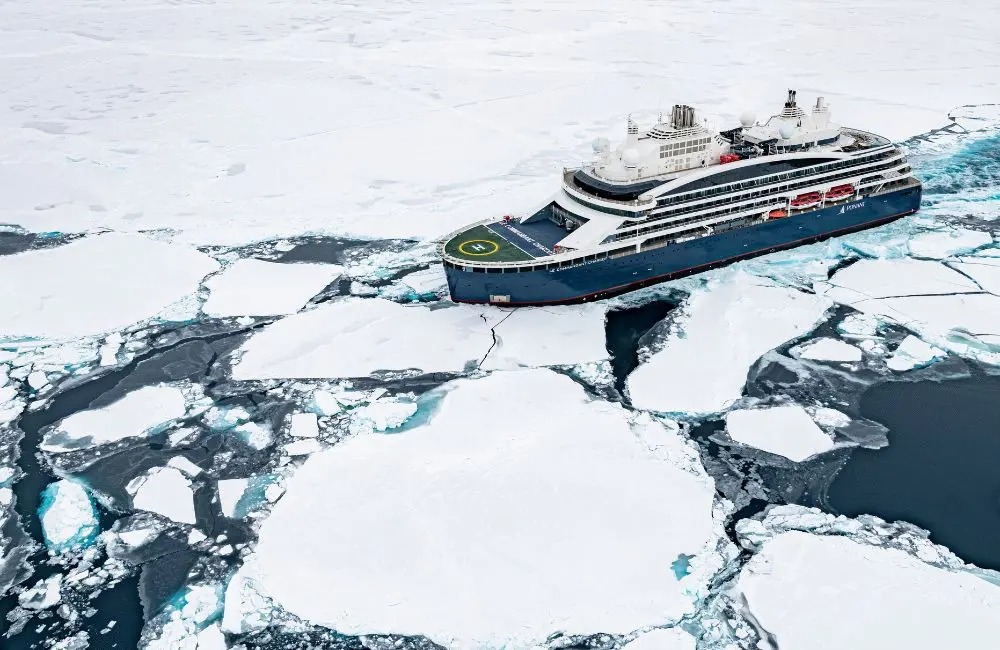
A first-time visit is rarely “just a visit”; it’s a signpost. In this case, it pairs neatly with the fact that the ship is expected to return to the same remote Antarctic regions in around two years, as part of a full circumnavigation that will depart from Australia. If you’ve been hoping for more options that connect Antarctica with Australian gateways, this is exactly the kind of operational breadcrumb that matters.
It also broadens the conversation for travellers who have already done a classic Antarctica route and want something rarer. When ships and itineraries start leaning into less-accessed coastlines, planning becomes more important, and so does getting clear on what “remote” really looks like in practice.
How to Build a Pre and Post Cruise Stay in Tasmania
Hobart is a city that rewards arriving early, especially before a polar voyage. Giving yourself a couple of nights helps you settle into the climate, manage time zones if you’re coming from the Northern Hemisphere, and ease into the expedition headspace without feeling like you’ve sprinted straight to the gangway. It’s also a smart way to protect your holiday if flights shift or baggage takes a detour.
After the cruise, those extra days can feel just as valuable. Many travellers find they want time to decompress, sort photos, and let the experience land properly, because Antarctica is not the kind of trip you “move on from” in a single morning. Tasmania’s food scene, galleries, and coastal day trips make that slower landing feel genuinely enjoyable.
The Half-Circumnavigation Route Through East Antarctica
A half-circumnavigation of Antarctica is the kind of phrase that sounds tidy until you picture what it means on a map. It involves huge distances, long stretches with no easy backup plans, and coastlines that most people will never see in person. In this case, the route included a string of East Antarctic regions that are spoken about far more often than they are visited.
Adélie Land and Wilkes Land, the East Antarctic Coastline
Adélie Land and Wilkes Land sit in the vast East Antarctic sector, where scale is the headline and detail comes second. These are places where the coastline can feel endless, the ice forms look architectural, and the sense of isolation is almost the point. For travellers who love the idea of being far from familiar routes, this is where the experience can feel especially different.
It’s also where expectation-setting is key. East Antarctica tends to be more about the journey, the learning, and the unfolding environment than a simple checklist of landings. When conditions allow, the reward is seeing a side of Antarctica that feels less “visited” in every sense.
Shackleton Ice Shelf and Queen Mary Land, Scale and Remoteness
The Shackleton Ice Shelf and Queen Mary Land bring another layer of perspective, because ice shelves are not just scenery; they are dynamic parts of the Antarctic system. Even from a distance, the sheer presence of an ice shelf changes how you understand the continent, and it can make everyday words like “coastline” feel wildly insufficient. Travellers often describe moments like this as the point where Antarctica stops being a destination and starts being an entire world.
Queen Mary Land reinforces that feeling, with a name that sounds familiar but a reality that is anything but. It’s one of those regions that reminds you how little of Antarctica is regularly accessed, even in modern expedition cruising. If you’re drawn to the idea of “rarely visited”, this is the kind of place that gives that phrase real weight.
What “Rarely Accessed” Really Means in Practice
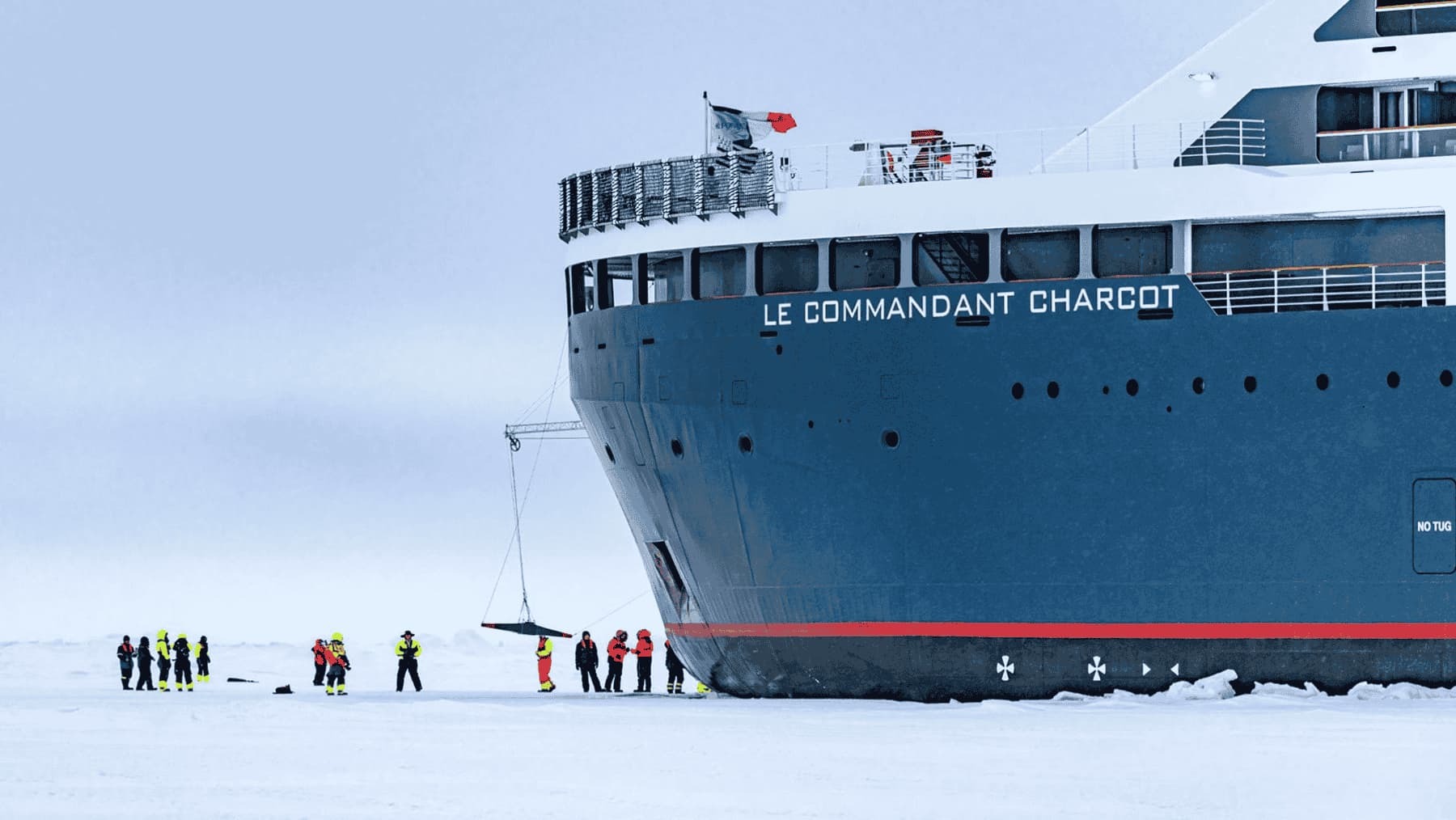
“Rarely accessed” does not mean hardship travel, but it does mean embracing unpredictability and long horizons. You can have days where the weather opens a window, and everything clicks into place, and other days where the ship becomes your classroom, your viewing platform, and your warm refuge while the environment sets the rules. That’s not a flaw; it’s the expedition model working as intended.
It also means you’ll likely spend more time learning the “why” behind each decision. The most rewarding polar travellers are often the ones who enjoy those briefings, the expert context, and the sense that everyone onboard is participating in a shared mission to experience the region responsibly.
The People and Partnerships Behind Polar Voyages
It’s easy to focus on the ice and forget the human elements that make a polar voyage possible. This arrival in Hobart came with a personal note from the captain, and it also highlighted a long-standing collaboration that has shaped Antarctic work for decades. For travellers, these details are not just nice stories; they help explain why certain routes and gateways matter.
Captain Stanislas Devorsine’s Hobart Story
Captain Stanislas Devorsine described the Hobart call as a deeply personal moment, sharing that he spent many years in the city and previously commanded L’Astrolabe for a decade. That kind of connection stands out in expedition cruising, because leadership is not simply about navigation, it’s about judgement, communication, and an instinct for polar conditions. When a captain has lived the gateway city story from the inside, it tends to add depth to the entire voyage.
It also gives travellers a sense of continuity. Polar travel can feel like a series of big, once-in-a-lifetime moments, yet it’s powered by people who return to the same regions again and again, building expertise over the years. That experience is a quiet ingredient in what makes a voyage feel confident, calm, and well-run.
French-Australian Collaboration In Antarctica
Hobart sits at the heart of a long French-Australian collaboration in Antarctica, and that matters because the Antarctic story is not owned by one country or one operator. It’s a region shaped by research, logistics, and international relationships, and Hobart has played a practical role in that ecosystem for a long time. When a ship's arrival explicitly references that collaboration, it points to a broader culture of shared responsibility and expertise.
For travellers, this is a helpful reminder that expedition cruising works best when it respects the wider Antarctic framework. The rules, protocols, and operational care are not there to reduce the experience; they’re there to protect it, so future travellers can still have the privilege of visiting.
Why Expedition Leadership Shapes the Guest Experience
Expedition cruising is different from mainstream cruising in one key way: the destination calls the shots. That means the best guest experiences often come from strong leadership and a team that can explain decisions clearly, keep expectations realistic, and still create a sense of excitement each day. A well-led expedition can make a sea day feel fascinating, because the learning and the observation become the highlight.
It’s also where trust builds quickly. When guests feel included in the process, through briefings, honest updates, and context about weather and ice, the voyage becomes more immersive. You’re not just consuming a holiday, you’re participating in an experience shaped by nature, expertise, and careful choices.
Next Legs, Future Plans, and How to Time Your Booking
After Hobart, the ship’s route keeps Antarctica in the storyline, and the longer repositioning voyages hint at the kind of traveller this itinerary suits. This part matters because it helps you decide if you’d enjoy the pace and structure of an expedition that includes longer passages. It also points toward the future, with a return to the same remote regions and a full circumnavigation planned to depart from Australia in around two years.
Sailing Toward Cape Town via Antarctica
The ship now sails toward Cape Town via Antarctica, and that routing says a lot about the journey style. It suggests a continued focus on polar waters, big seascapes, and the kind of travel where the days are shaped by the environment rather than a tight schedule of short port hops. For travellers who love sea days, this can be a feature, not a compromise.
It’s also a reminder that the Southern Ocean is part of the expedition. You don’t just “get to” Antarctica, you travel through a region that demands respect, and that sense of distance is often what people remember most.
The 20-Night Voyage to France and the Northern Polar Season
After Cape Town, the ship continues on a 20-night voyage to France, which is a great filter for travel style. If you enjoy time to read, attend talks, watch the horizon, and settle into an onboard routine, longer passages can feel restorative. If you prefer constant port days, you’ll want to be selective about which legs you choose.
Following that, the ship shifts into a northern hemisphere polar season, which is a helpful planning detail if you like comparing Arctic and Antarctic styles. Many travellers eventually decide they want both, because the feel is different, the light is different, and the wildlife narratives differ too. Understanding a ship’s seasonal pattern can help you time plans with less guesswork.
The Full Antarctic Circumnavigation Departing From Australia
The ship is expected to return to the East Antarctic regions in around two years, when it will complete a full Antarctic circumnavigation, departing from Australia. That’s the kind of itinerary that tends to attract well-prepared travellers from all over the world, including those who have already cruised Antarctica once and want something rarer. It’s also the sort of voyage where planning early can really matter, because longer, niche polar sailings usually have limited space and high demand.
If that kind of journey is on your horizon, it helps to start by getting clear on your priorities. Do you want the longest possible time in polar waters, a route that focuses on the least-visited coastline, or a balance between exploration and onboard comfort? Once you know your non-negotiables, the right itinerary becomes much easier to spot.
If you’d like to explore how Hobart fits into the broader landscape of Antarctica voyages, including longer expedition styles and future departures, Cruise Finder is a simple place to compare routes and get a feel for what’s currently available. Start broad, then narrow down by duration, departure points, and expedition focus.
It’s also useful if you’re planning from outside Australia and want to line up flights, buffer days, and travel pacing before you commit. Even a short browse can help you see which sailings match your calendar, and which ones suit your preferred balance of sea days, exploration time, and onboard rhythm.
Start Planning Your Polar Journey With S.W. Black Travel
A first visit to Hobart by a luxury icebreaker is more than a nice headline; it’s a clue about where polar travel is heading. Hobart’s role as a practical Antarctic gateway keeps strengthening, and the voyage details, including the remote East Antarctic route and the future full circumnavigation departing from Australia, show how expedition cruising continues to evolve for travellers who want something genuinely different. Whether you’re based in Australia or travelling in from overseas, the opportunity here is choice; you can shape a trip that fits your timing, your comfort preferences, and your appetite for remoteness.
If you’d like help comparing voyage options, understanding which itinerary style suits you best, and mapping out a plan that feels both exciting and realistic, the next step is simple: connect with us S.W. Black Travel, and let’s talk through what you want your Antarctica story to look like.

Comments