


-1.png)
Cruise announcements usually fall into two buckets: what you can book soon, and what’s being set up years ahead that will shape how cruising feels in the future. This news sits squarely in the second bucket, and it’s still worth caring about because ship orders reveal priorities. They show which brands are being backed, how a cruise group plans to keep each experience distinct, and how confident it is in demand over the long term.
NCLH orders three new cruise ships with Fincantieri for Norwegian Cruise Line, Oceania Cruises, and Regent Seven Seas Cruises, with deliveries scheduled for 2036 and 2037. Each vessel is planned as a sister ship to the most recent Fincantieri-built ship for its brand by then, supporting continuity in design and operations, while the group’s pipeline reaches 17 new-builds on order, reinforcing long-term choice for travellers.
What This Order Signals About NCLH’s Long-Term Direction
This is a portfolio decision, not a single-brand headline, and that’s the first thing to notice. One ship per brand suggests the group wants each guest experience to keep moving forward in its own lane, rather than blending the brands into something indistinct. It also reinforces that shipbuilding is one of the most visible ways cruise companies commit to the future, even when that future is a decade away.
Why a Three-Brand Order Matters More Than a Single New Ship
When a group places an order that touches all three brands, it’s essentially saying, “We’re investing across different travel personalities.” That matters because Norwegian Cruise Line, Oceania Cruises, and Regent Seven Seas Cruises attract different priorities, from contemporary flexibility to food-led premium cruising to ultra-luxury inclusions. A three-brand order keeps those choices alive and clearly separated, which is good news for travellers who want a specific vibe, not a generic cruise experience.
It also suggests NCLH is thinking about guest journeys over time. Travellers often evolve; you might start with one style, then later prefer another, and a multi-brand strategy gives you room to shift without starting from scratch.
What a 2036-2037 Delivery Window Really Means
Those delivery years can feel far away, yet they’re a normal timeline for major shipbuilding programmes, especially when top shipyards are scheduling years ahead. Securing delivery slots that far out can be as much about certainty as it is about design, because it locks in capacity at the shipyard and stabilises planning. For travellers, the practical benefit is that long-range planning often supports more consistent standards across fleets as older ships are refreshed or replaced over time.
It also means we should expect a slow drip of news rather than one big reveal. Design direction, onboard concepts, and itinerary hints usually arrive in stages, which can be useful if you enjoy tracking future cruise trends.
Reading the “17 New-Builds on Order” Detail Without Overhyping It
A pipeline of 17 new-builds on order signals momentum, and it typically points to a mix of fleet renewal and capacity planning. Even without digging into which ships will retire and when, the existence of a large orderbook suggests the company is planning for longevity rather than standing still. For travellers, that can translate into a more predictable experience from ship to ship as brand standards become more consistent across newer classes.
It’s also a confidence marker for itinerary planning. Cruise lines that know what’s coming can plan deployments with clearer intent, including which regions they prioritise, and how long they stay in-market.
Why Sister Ships Are a Big Deal for Guests
“Sister ship” can sound like shipyard jargon, but it impacts how a cruise actually feels day to day. Sister ships share a core design platform, which often improves consistency, comfort, and the sense that a brand has a recognisable identity onboard. At the same time, sister ships are rarely identical, especially when they’re delivered years apart, which creates room for refinement rather than repetition.
Familiar Layouts Can Make Your First Day Smoother
One underrated part of a great cruise is how quickly you settle in. When ships follow a familiar class structure, it’s easier to learn the flow of public spaces, find quiet corners, and build a comfortable rhythm between dining, lounges, and deck time. That matters because the first 24 hours can shape how relaxed you feel for the rest of the voyage.
For repeat guests, familiar layout logic reduces guesswork. If you enjoyed the way a previous ship “worked,” a sister ship often delivers a similar feel while still bringing an updated look.
Refinement Happens Where Guests Actually Notice It
Sister ships often get better in the places that matter, not because of flashy headlines, but because cruise lines learn from real guest behaviour. That can mean improved traffic flow at peak times, smarter spacing in popular venues, and cabins or staterooms that feel more intuitive for how people travel now. These refinements tend to make a holiday feel calmer, because the ship supports your day rather than making you work around bottlenecks.
Over a long timeline, those incremental improvements add up. It’s one reason cruise lines lean into class families, because it creates a built-in feedback loop for making the next ship better.
Operational Consistency Can Lift the Overall Experience
Behind the scenes, repeating a class platform can improve operations, crew training, and service rhythms. Guests may not see the mechanics, but they feel the result: smoother dining pacing, clearer daily flow, and fewer friction points. This matters across all three brands, because consistency is part of what builds trust, especially for travellers booking premium or ultra-luxury experiences.
It also makes planning easier. Travel advisors can recommend sister ships with more confidence because the brand’s identity is more predictable when it’s built on a refined class platform.
What Each Brand Could Gain From Its Next Sister Ship
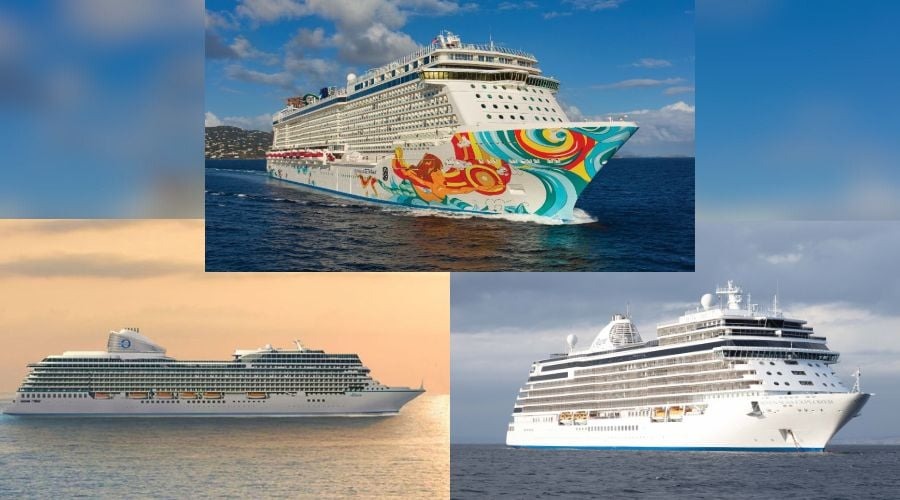
The context ties each new ship to the latest Fincantieri-built vessel for its brand by that time, referencing Norwegian Aura, Oceania’s Sonata class 4 ship, and Regent’s Prestige class 3. The important takeaway is not the ship names alone; it’s the concept of continuity. Each brand is expected to build forward from its most current blueprint, which typically protects the signature experience while modernising how it’s delivered.
Norwegian Cruise Line and Contemporary Cruising That Keeps Evolving
Norwegian Cruise Line travellers often value flexibility, variety, and the ability to set their own pace onboard. A future sister ship framework suggests the brand can keep that contemporary energy while refining space planning and guest flow to match modern habits. Over time, this can show up as smarter venue placement, more intuitive movement between popular areas, and cabins that support downtime just as well as they support busy port days.
It also helps keep expectations steady for loyal guests. If you know what you enjoy about Norwegian’s style, a sister ship approach usually aims to preserve that core feel while polishing the edges.
Oceania Cruises and Consistency for Food-Led, Destination-Focused Guests
Oceania Cruises attracts travellers who care about dining, a calmer onboard rhythm, and a premium feel that still stays relaxed. A sister ship model can support that by keeping the brand’s signature pacing and comfort while updating finishes, layouts, and onboard concepts to suit the era it launches into. For travellers considering Oceania for the first time, consistency matters because it makes the brand easier to understand, and you can predict the vibe more reliably across the fleet.
It also supports repeat cruising subtly. When the onboard feel stays recognisable, guests can focus on choosing new itineraries rather than worrying about whether the ship experience will match their preferences.
Regent Seven Seas Cruises and Protecting the Ultra-Luxury Promise
Regent guests often prioritise space, service, and a holiday that feels simple to enjoy because so much is wrapped into the experience. A future sister ship structure suggests the brand can maintain that ultra-luxury identity while keeping design and operations aligned with what high-end travellers will expect in the 2030s. That might include updates that improve the “liveability” of suites, the flow of public areas, and the overall sense of quiet comfort onboard.
For milestone travellers, this matters because trust is central in ultra-luxury. A steady pipeline can reinforce confidence that the brand is investing forward, not coasting on past success.
What Travellers Can Expect Between Now and Delivery
With deliveries scheduled for 2036 and 2037, this is the start of a long story, not the end of one. Over the next decade, we can expect staged updates, first around general design direction, later around onboard concepts, and eventually around deployment hints. If you like planning ahead, it helps to know which milestones tend to matter most.
Design Reveals Will Likely Arrive in Layers
Cruise lines typically release information in phases, beginning with brand positioning and broad ship vision, then moving into venue concepts, suite or stateroom updates, and experience highlights. This staged approach gives them flexibility, because design decisions can evolve as guest preferences shift. For travellers, it’s useful because you can watch how each brand chooses to define its next era.
It also helps to compare how each brand tells its story. The language and focus areas often reveal whether a brand is leaning more into dining, destination immersion, onboard comfort, or service flow.
Itinerary and Deployment Hints Tend to Come Later
Itineraries for ships that are a decade away are usually the last piece to become clear. Still, fleet planning can influence regional strategies even before a ship arrives, because it shapes how the company thinks about capacity and renewal. For travellers in Australia, New Zealand, and the broader region, the key benefit of long-range planning is often stability, clearer expectations around brand presence, seasonal patterns, and the types of voyages that may be prioritised.
For international travellers, Australia remains a popular pre- and post-cruise destination, especially for those building bigger holidays. A confident fleet plan can support more cohesive long-term travel planning, even if the specific ship details arrive later.
Why This News Can Still Help You Book Smarter Today
Even if you’re booking for 2026 or 2027, fleet signals can help you choose a brand with confidence. A strong pipeline suggests continued investment in product, which can matter when you’re deciding between cruising styles or planning a series of trips over time. It also reinforces that each brand is being actively developed, which can be reassuring if you’re considering becoming a repeat guest.
The practical move is to use this as context, then pick your next cruise based on itinerary fit, ship vibe, and stateroom comfort. Fleet news should guide, not distract, and the best holidays still come from matching the cruise to your real travel style.
How to Use This Update When Comparing Cruise Brands
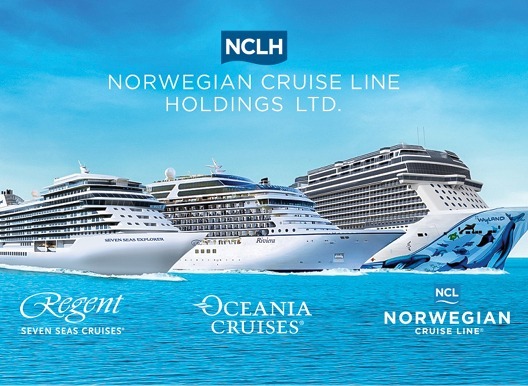
This update can feel abstract until you connect it to a real decision, which brand fits you, and what kind of cruise day you want to have. NCLH’s three-brand structure is a useful framework for travellers who want clarity, because it offers different cruise personalities under one corporate umbrella. When you match the personality to your preferences, planning becomes much easier.
Match the Brand to Your Preferred Holiday Rhythm
Start by thinking about what you want your days to feel like. If you want contemporary flexibility, a lively range of options, and a choose-your-own-pace energy, Norwegian Cruise Line may fit. If you prefer a calmer pace with a strong culinary focus and destination-led days, Oceania Cruises may feel right. If you want an ultra-luxury approach with a strong emphasis on space and service consistency, Regent may be the better match.
Once you’re clear on rhythm, you can shortlist itineraries without overthinking. It’s often easier to choose a cruise when you start with vibe and pacing rather than starting with a ship name.
Make Stateroom Planning Part of the Decision Early
A stateroom choice can shape comfort more than many travellers expect, especially on longer itineraries or busy destination days. Consider how you recharge, whether you want more space, a balcony, or a quieter location, because those preferences affect how restorative the trip feels. Planning this early also helps set realistic expectations, especially if you’re travelling as a couple, with friends, or across generations.
It also keeps the decision grounded. You can appreciate future ship news while still choosing a current ship and stateroom combination that suits your real-life travel needs now.
Use Future Fleet Momentum as Confidence, Not Pressure
It’s easy to feel like you should wait for the next new thing, especially when ship deliveries are announced. Most travellers are better served by booking the itinerary that fits their calendar and preferences today, then keeping an eye on future launches for later milestone trips. The best approach is to treat this order as a confidence signal; the brands are investing forward, so your future travel wishlist has a strong foundation.
That balance lets you travel now and plan later, without turning ship news into decision paralysis.
If you’d like to compare itineraries and cruising styles across Norwegian Cruise Line, Oceania Cruises, and Regent Seven Seas Cruises, Cruise Finder is a helpful place to start.
Once you have a shortlist, Cruise Finder can also help you compare trip lengths, departure windows, and destination regions in one place.
Use Expert Support to Turn Fleet News Into a Great Cruise
Announcements like this are exciting, yet the real value comes when you connect them to your own travel plans, your timing, your preferred cruise vibe, and the stateroom style that makes you feel comfortable. With deliveries set for 2036 and 2037, the key message is that NCLH is investing across all three brands with a sister ship approach that supports continuity and refinement. If NCLH orders three new cruise ships as part of a broader 17-ship pipeline, it’s a strong signal that Norwegian Cruise Line, Oceania Cruises, and Regent Seven Seas Cruises are each being positioned for long-term evolution, while staying true to what their guests value today.
When you’re ready to shortlist itineraries, weigh up brand fit, and choose the right stateroom for your travel style, you can contact S.W. Black Travel to start planning, and we’ll help you make a decision that feels simple, confident, and genuinely exciting.

Comments