


Ponant Explorations has announced 15 additional Smithsonian Journeys sailings for 2028, expanding the partnership’s roster to 38 cruises across all seven continents. The new release covers a broad range of regions, from the Mediterranean and the Maritimes to Asia, the Arctic, and Costa Rica’s Pacific Coast.
The latest Ponant Smithsonian Journeys voyages focus on small-ship travel with specialist interpretation. Each sailing will welcome two Smithsonian Journeys experts on board, giving travellers deeper context on the places, people, landscapes, art, wildlife, and history encountered during the cruise.
Why the 2028 Smithsonian Journeys Expansion Matters
Ponant’s new 2028 release adds breadth to an already global programme. With 38 cruises across all seven continents, the collection gives travellers a structured way to match destination interest with small-ship access and expert-led learning.
This matters because many culturally focused cruise travellers want more than a route map. They want context, pacing, and guidance that help each destination feel more connected to the wider journey.
The Programme Covers All Seven Continents
The expanded collection now spans all seven continents. That scale gives Ponant and Smithsonian Journeys a wide canvas, covering places as different as the Mediterranean, the Maritimes, Asia, the Arctic, and Central America. Travellers with specific interests in art, geology, wildlife, architecture, and culture gain more ways to match a cruise to a preferred subject.
This breadth also helps travellers compare journeys across different styles of cruising. A Mediterranean itinerary might focus on cities, art history, architecture, and coastal heritage. An Arctic sailing would place more emphasis on landscapes, wildlife, and environmental context.
For S.W. Black Travel clients, the main planning value sits in the variety. A traveller considering Europe, Asia, or Costa Rica might be choosing between different ways of learning through travel, rather than simply choosing between destinations. The small-ship setting and expert commentary help give each voyage a clearer purpose.
Small Ships Support More Focused Itineraries
Ponant’s small-ship style is important to this programme. Smaller vessels often suit itineraries where the ports, coastlines, and cultural stops carry the main weight of the journey. They also help the cruise feel more closely tied to the places visited.
This is especially relevant in destinations with layered local identity. Italy’s Adriatic coast, Costa Rica’s Pacific shore, and remote northern regions reward travellers who value detail and setting. The ship becomes a refined base for exploring smaller ports, natural areas, and culturally rich routes.
A small-ship format also suits travellers who prefer a quieter rhythm. The experience is less about large-scale shipboard activity and more about the route, the people on board, and the way each day builds on the last. That makes the programme appealing for guests who want travel with depth and structure.
Experts Add Context During the Journey
Each voyage will welcome two Smithsonian Journeys experts on board. This is a key part of the programme because expert interpretation helps travellers understand what they are seeing, rather than treating each stop as a separate visit. The value sits in connection.
On the Adriatic itinerary, art historian Ross King and geologist Allen Glazner will travel with guests. Their presence adds two different lenses to the route, one focused on cultural and artistic heritage, the other on the physical landscape. That pairing helps explain why places look, feel, and function the way they do.
For travellers who enjoy lectures, guided discussion, and thoughtful commentary, this style of cruising offers a clear point of difference. It also suits guests who want to return home with a stronger understanding of the destination. The itinerary becomes a learning journey as much as a holiday.

Two Highlight Sailings Show the Range
The new 2028 release includes a rare Adriatic voyage along Italy’s western shores and an eco-rich Costa Rica itinerary. Together, they show how the programme balances culture, nature, and expert-led insight.
These two examples also make the decision more practical for travellers. One route centres on art, architecture, history, and coastal cities, while the other focuses on wildlife, rainforest, and biodiversity.
The Adriatic Sailing Focuses on Art and Heritage
Sailing the Adriatic: Treasures of Eastern Italy and Sicily departs on 27 September 2028 for an eight-night cruise from Venice to Valletta aboard Le Dumont d’Urville. The route follows the Adriatic’s lesser-explored western shores, giving travellers a different view of Italy beyond the better-known major city circuit. It also finishes in Malta, which adds another layer of Mediterranean context.
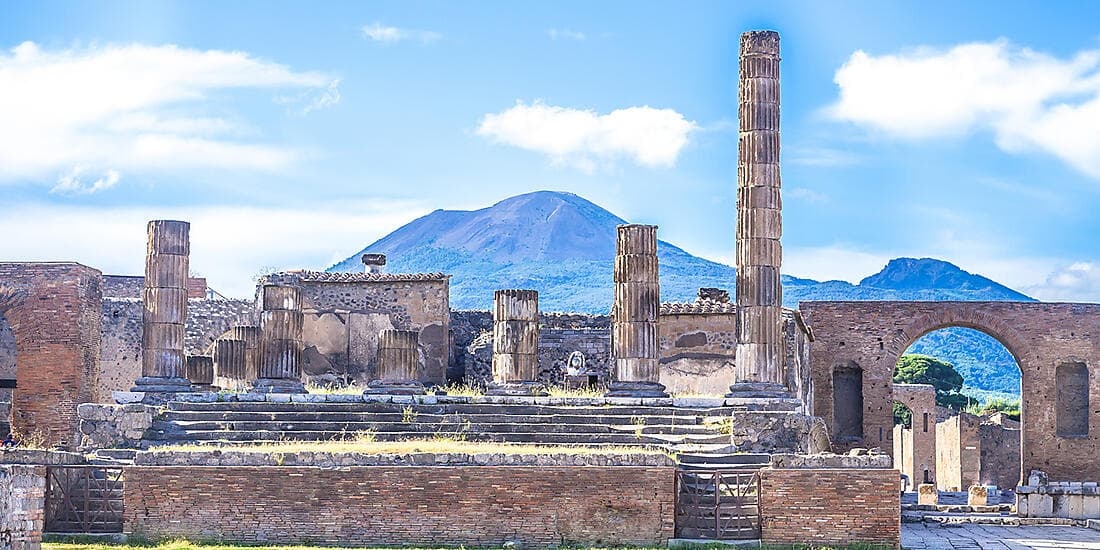
The itinerary includes Byzantine mosaics in Ravenna, Renaissance masterworks in Urbino, and the trulli houses of Alberobello. It also features Baroque architecture and Greek theatres in Sicily. This range makes the sailing especially appealing for travellers interested in how art, architecture, and history vary across regions.
The expert pairing strengthens the itinerary. Ross King brings art historical depth, while Allen Glazner adds geological insight. For guests, that means the journey is not limited to monuments and streetscapes, as it also examines the landscapes that shaped those places.
Costa Rica Brings Wildlife and Rainforest to the Fore
Costa Rica by Sea: Wildlife and Rainforests of the Pacific Coast departs on 16 February 2028. The seven-night round trip from Puntarenas aboard Le Bougainville explores the country’s Pacific Coast, with a strong emphasis on environmental richness and cultural heritage. It is a compact sailing with a clear nature-led focus.
The itinerary includes the Osa Peninsula, described in the supplied context as one of the most biologically diverse places on earth. It also features Manuel Antonio National Park, a destination known in this context for wildlife and rainforest encounters. These details make the sailing well suited to travellers who want nature to drive the itinerary.
Guests will have opportunities to spot scarlet macaws, sloths, squirrel monkeys, varied birdlife, and more. That wildlife focus gives the sailing a different rhythm from the Adriatic route. Instead of cultural landmarks shaping the day, the pace comes from natural settings, observation, and environmental context.
The Two Routes Appeal to Different Travel Styles
The Adriatic and Costa Rica sailings show two different ways to approach expert-led cruising. The Adriatic voyage suits travellers drawn to architecture, art, regional history, and layered coastal heritage. Costa Rica suits travellers who prefer biodiversity, rainforest, wildlife, and active observation.
That difference matters when choosing a voyage. Some travellers want galleries, historic towns, and architectural detail. Others want forest, coastline, animal sightings, and a stronger natural science focus. The best match depends on what you want to learn while travelling.
Both sailings also show the advantage of pairing destination focus with expert commentary. The specialists are not a decorative extra. They help turn the route into a more coherent journey, giving travellers a better way to understand why each place matters.
How to Choose the Right 2028 Ponant Sailing
The expanded programme gives travellers plenty of choice, which makes planning important. Region, date, ship, subject focus, voyage length, and expert commentary should all sit within the decision.
A small-ship journey works best when the itinerary matches your interests. For these 2028 sailings, the destination is only part of the question.
Start with the Subject That Interests You Most
The first decision should be the subject focus. If art history, architecture, and Mediterranean heritage matter most, the Adriatic sailing offers a strong fit. If wildlife, rainforest, and environmental richness sit higher on your list, Costa Rica deserves closer attention.
This is especially useful for travellers choosing between several destinations. A cruise might look appealing because of its route, but the expert focus should also match your curiosity. The right pairing creates a more satisfying journey.
For couples or small groups, this discussion becomes even more important. One traveller might prefer culture while another prefers wildlife. An adviser helps compare itineraries and find a sailing that gives each person enough of what they value.

Match the Ship and Route to Your Travel Pace
Le Dumont d’Urville and Le Bougainville both support Ponant’s small-ship style, but the routes create different travel rhythms. An eight-night Venice to Valletta sailing through the Adriatic and Sicily will feel different from a seven-night round trip from Puntarenas. Direction, ports, climate, and daily focus all shape the experience.
The Adriatic route offers a point-to-point journey between two major Mediterranean gateways. That structure suits travellers who want to add pre- or post-cruise stays in Europe. It also works well for guests who enjoy building a broader holiday around the sailing.
Costa Rica’s round-trip Puntarenas format offers a different kind of convenience. It keeps the route centred on one coastal region and suits travellers who want a contained nature-focused journey. The best choice depends on how the cruise fits into your wider travel plan.
Consider Season, Access, and Wider Travel Plans
The Costa Rica sailing departs on 16 February 2028, while the Adriatic sailing departs on 27 September 2028. Those dates create different planning windows, climates, and flight considerations. They also fit different travel calendars for guests coming from Australia or overseas.
A February Costa Rica voyage suits early-year travel planning, while late September in the Mediterranean often suits those looking beyond the northern summer peak. The dates also influence what you might add before or after the cruise. City stays, nature lodges, or wider regional touring all deserve early thought.
This is where specialist advice matters. A cruise adviser helps compare route timing, suite choice, flights, transfers, and the right amount of time on either side of the sailing. With expert-led cruises, the goal is to protect the flow of the whole journey.
Ponant’s expanded 2028 programme gives travellers a wide range of small-ship options across all seven continents. Cruise Finder is a practical place to compare dates, routes, voyage lengths, ships, and regions before narrowing your shortlist.
Use Cruise Finder to review whether the Adriatic, Costa Rica, or another destination best matches your interests. Once you have a few options in mind, an adviser will help compare expert focus, travel pace, suite fit, and wider itinerary plans.
Plan Your Ponant Journey with Expert Support
The latest Ponant Smithsonian Journeys voyages add 15 new options for 2028, bringing the partnership’s roster to 38 cruises across all seven continents. With expert-led itineraries from the Adriatic to Costa Rica, the programme suits travellers who want small-ship travel with stronger cultural, natural, and historical context.
Choosing the right sailing depends on more than destination alone. Subject focus, expert hosts, ship style, voyage length, season, flights, and pre- or post-cruise plans all shape the final experience. Speak with an S.W. Black Travel adviser to compare Ponant’s 2028 expert-led voyages and choose the journey best matched to your interests.

Comments