


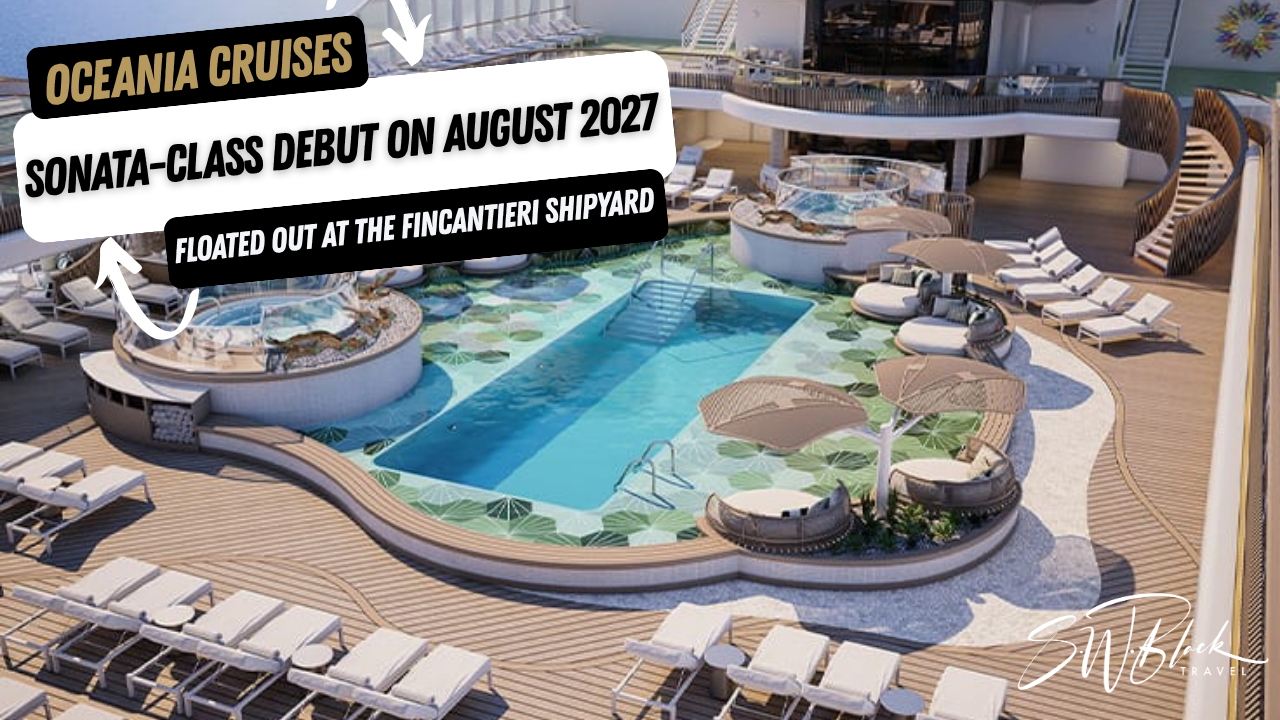
Oceania Cruises has marked a major construction milestone in Italy, with Oceania Sonata floated out at the Fincantieri shipyard. The ship now moves from dry dock to the fitting-out berth, where work continues on interiors ahead of her debut in August 2027.
The float-out matters because this is more than a single-ship update. Sonata is the first vessel in Oceania’s new Sonata-class, a five-ship generation designed around more space, elevated suites, expanded public areas, and new dining concepts.
Why the Float-Out Matters for Oceania
A float-out is a visible sign that a ship is moving from hull construction into the next major stage of delivery. For Oceania, this milestone also signals the start of a wider fleet chapter.
The ceremony brought together Paolo Novarino, Oceania’s senior director and project owner, with Fincantieri team members. It also highlighted the continuing partnership between Oceania and Fincantieri, which has previously built four vessels together.
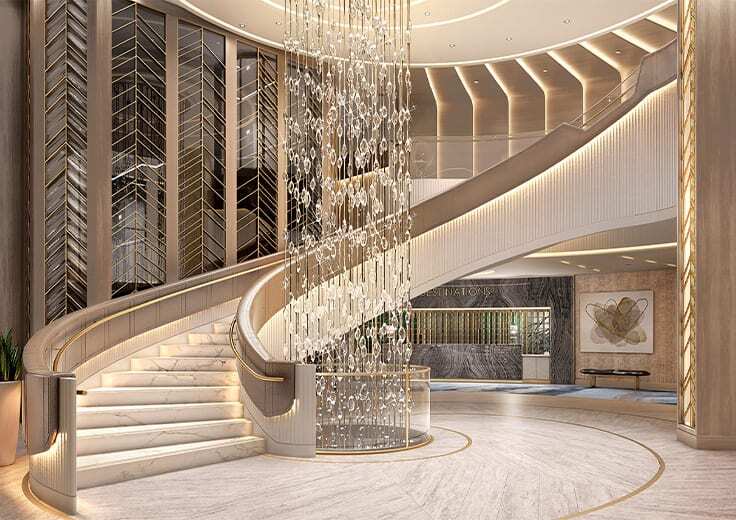
Image courtesy of Oceania Cruises
The Ship Moves Into Interior Completion
Sonata’s move from dry dock to the fitting-out berth means the focus now shifts to onboard spaces. This is where interiors, guest areas, dining venues, lounges, suites, and rooms move closer to their final form. For travellers, this stage helps turn the cruise line’s design promises into a practical reality.
The supplied context points to thoughtfully designed guest suites and rooms, along with expanded public spaces. These areas matter because Oceania’s appeal often sits in the balance between ship scale and comfort. More room across the ship supports a calmer onboard rhythm.
The fitting-out period is also where expectations start to sharpen. A ship with new suite categories, expanded dining concepts, and adult-focused spaces needs those details delivered with care. This stage will shape how Sonata feels once guests step on board.
Fincantieri Remains Central to the Build
Oceania and Fincantieri already have a shared build history, with four vessels completed together before this class. That matters because shipbuilding partnerships rely on design continuity, technical knowledge, and trust between teams. A new class brings fresh ambition, while prior collaboration helps frame the project.
The ceremony itself was a formal marker of that relationship. Paolo Novarino joined Fincantieri representatives to recognise the milestone and the partnership behind the ship. For a premium cruise line, the shipyard relationship is part of the product story.
For travellers, shipyard names rarely drive booking decisions on their own. Still, the builder matters when a cruise line introduces a class built around space, suites, and dining. These promises depend on design execution as much as brand language.
A New Class Signals a Long-Term Direction
Sonata is the first of five planned ships in her class. Her sister ship, Oceania Arietta, is scheduled to follow in 2029, with three further ships set for delivery in 2032, 2035, and 2037. This makes Sonata the starting point for a fleet plan stretching across a decade.
A five-ship class gives Oceania room to build consistency across future itineraries and markets. It also gives travellers more chances to experience a similar onboard concept once additional ships enter service. This matters for guests who prefer familiar ship design but still want different regions over time.
The long delivery timeline also suggests this class is central to Oceania’s future identity. Sonata will not sit as a one-off experiment. She introduces a design approach set to shape the cruise line’s next generation.
Space Becomes the Core Design Story
The most useful detail for travellers is the relationship between ship size and guest numbers. Sonata will be nearly 30% larger than Oceania Allura, yet will feature only 90 additional guest rooms, according to the supplied context.
This decision points to a clear design priority. Oceania is using the extra scale to create more space and comfort across the ship, rather than filling every added metre with more guests.
Larger Scale Does Not Mean a Crowded Feel
A ship nearly 30% larger than Allura might sound like a move toward a bigger-ship experience. The key difference is that Sonata adds only 90 more guest rooms. That gives the line room to expand public spaces and create a more generous onboard layout.
For travellers, this matters in daily moments. Lounges, bars, dining rooms, pool areas, and walkways all influence how calm or crowded a ship feels. More space per guest often supports a more relaxed pace throughout the sailing.
Oceania’s small-ship luxury philosophy depends on that sense of scale. Guests often want a ship large enough for choice, but not so large that the experience feels impersonal. Sonata appears designed around that middle ground.
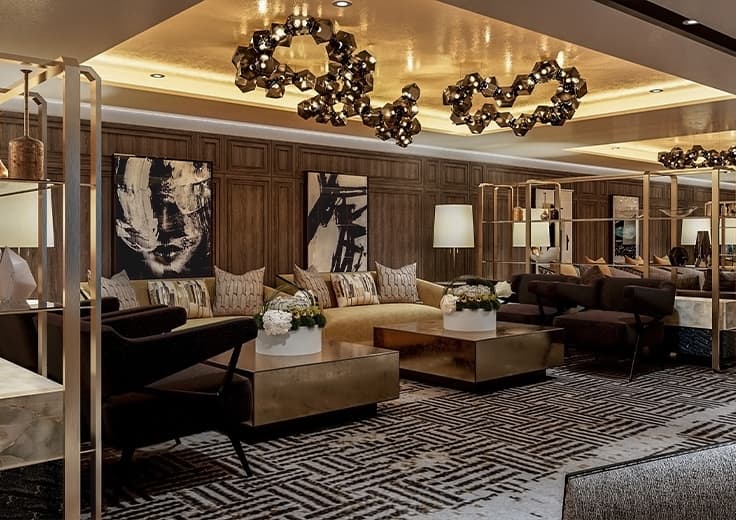
Image courtesy of Oceania Cruises
Expanded Public Spaces Support Daily Comfort
The supplied context notes expansive public spaces, including bars and lounges. These areas shape the cruise day, especially on sea days or during relaxed evenings after time ashore. They also give guests more places to read, meet friends, enjoy a drink, or settle into a quieter corner.
Public space is a practical luxury. It affects how easily guests find a seat, how dining and drinks flow, and how the ship feels during peak times. A premium ship experience depends on those details being comfortable without fuss.
This also matters for longer voyages. Travellers on extended sailings spend more time settling into onboard routines. A ship with generous public areas supports that longer, slower style of cruising.
Adults-Only Positioning Clarifies the Audience
Sonata will offer a serene adults-only environment. This gives the ship a clear audience and helps set expectations before booking. Travellers seeking a quieter and more grown-up atmosphere will see the appeal in this direction.
Adults-only does not mean the ship needs to feel formal or rigid. It points to a calmer setting where dining, lounges, public spaces, and suite design sit at the centre of the experience. For couples, solo travellers, and groups of adults, that clarity helps with trip planning.
It also helps distinguish Sonata from family-focused cruise options. Some travellers want children’s clubs, water parks, and high-energy programming. Others prefer dining, destination time, service, and space as the main priorities.
Dining and Suites Shape the Guest Experience
Oceania’s reputation is strongly connected with food, comfort, and destination-led cruising. Sonata’s new class gives the cruise line room to evolve those strengths while keeping the product recognisable.
The supplied context confirms new dining concepts, elevated suites, expanded public spaces, and thoughtfully designed suites and rooms. These are the areas travellers should watch as more details emerge before the August 2027 debut.
New Dining Concepts Carry Strong Expectations
New dining concepts are important for Oceania because culinary experiences sit close to the brand’s appeal. Guests choosing this cruise line often place food quality, variety, and dining atmosphere high on their priority list. Sonata’s dining updates will therefore be central to how the ship is received.
The context does not list the specific venues, so the practical takeaway is to watch for future dining details. Travellers should review the mix of restaurants, reservation requirements, included venues, speciality options, and dining hours once released. These factors help determine how the ship suits different travel styles.
Dining also shapes the nightly rhythm of a cruise. A ship with a more spacious layout and new culinary concepts gives guests more ways to pace their evenings. For many Oceania travellers, that rhythm is a major part of the holiday.
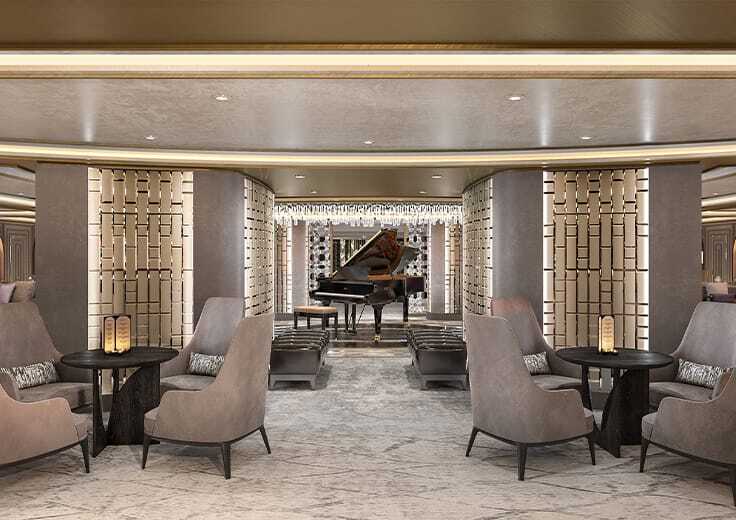
Image courtesy of Oceania Cruises
Suite Categories Add More Choice
Sonata will introduce suite categories as part of the new class. This is significant because suite design affects privacy, storage, views, bathroom layout, and the way guests use their space during a voyage. The right suite makes a major difference on longer sailings.
More suite choice also helps match different travellers to the same ship. Some guests want a larger private retreat, while others prefer to spend more of the budget on the itinerary or pre- and post-cruise travel. A wider range of categories supports more tailored planning.
For clients, the room category should never be treated as a minor detail. Location, size, balcony access, deck position, and proximity to lifts or public areas all matter. The best choice depends on how you travel, not only on the fare.
Design Needs to Match the Itinerary
A spacious adults-only ship with dining depth and elevated suites works best when paired with the right itinerary. Sonata’s debut in August 2027 will draw attention, but travellers should still compare sailing dates, regions, port times, and total trip length before committing. The ship is one part of the decision.
Oceania’s small-ship luxury approach often appeals to travellers who value destination access and a refined onboard base. A new ship adds interest, but itinerary fit remains essential. A beautiful suite matters more when the route also suits your preferred pace and travel goals.
This is where good advice becomes valuable. Travellers should compare the ship’s onboard strengths with the destinations on offer. The right cruise should feel balanced across ship, suite, dining, timing, and region.
New ship launches often create early interest, especially when the vessel starts a whole new class. Use Cruise Finder to compare Oceania sailings by ship, region, suite type, duration, and departure timing as more Sonata-class options appear.
For travellers interested in Oceania Sonata, Cruise Finder gives you a practical way to review Oceania choices alongside other premium and luxury cruise lines. It helps turn a ship announcement into a clearer shortlist based on your preferred pace, ship style, and travel dates.
Plan Around the Ship and the Journey
Sonata’s float-out marks an important step for Oceania Cruises, but the bigger story is the direction of the Sonata-class. A ship nearly 30% larger than Allura, with only 90 additional guest rooms, points toward more space, expanded public areas, new suite categories, new dining concepts, and an adults-only onboard style.
As August 2027 approaches, travellers should watch for more details on itineraries, suite categories, dining venues, and onboard spaces. Speak with an S.W. Black Travel adviser to compare Oceania options and decide whether Sonata’s small-ship luxury approach suits your next cruise.

Comments