


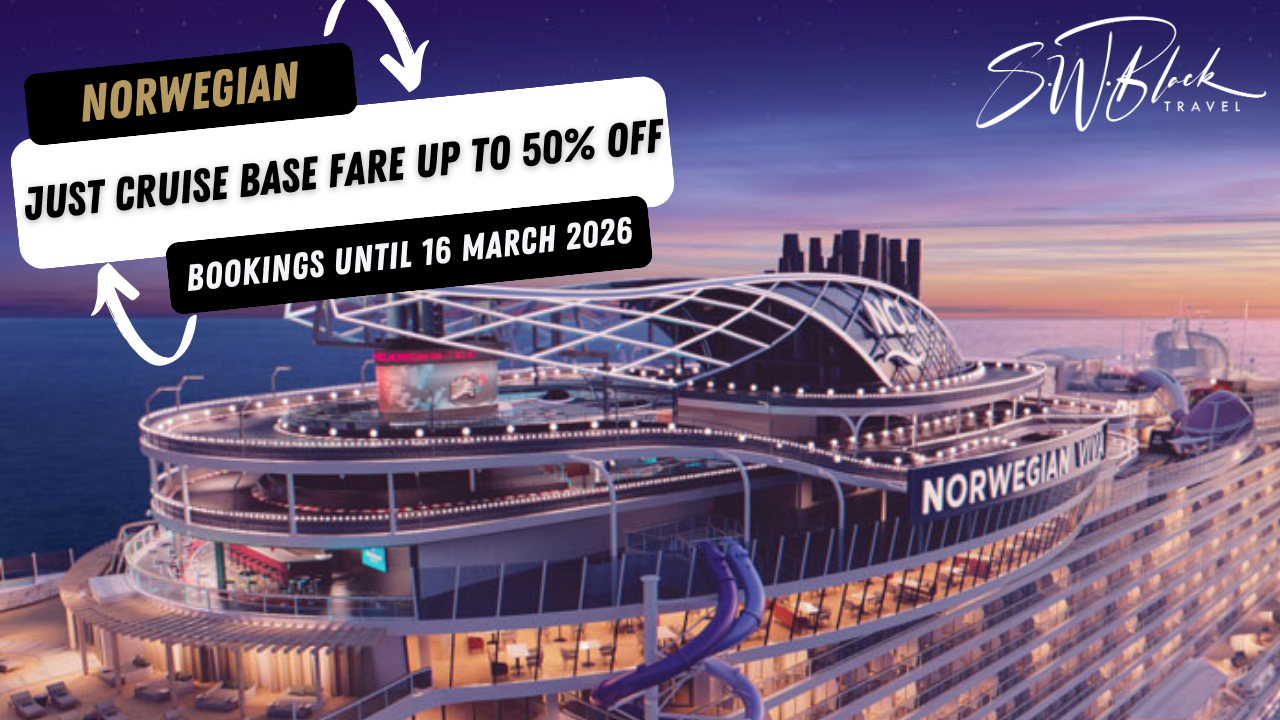
If you’ve ever looked at a cruise deal and thought, “This looks good, but I’m not sure I’ll use everything that’s bundled in,” you’re exactly who this update is for. From 3 March 2026, Norwegian Cruise Line has changed how fares are presented in the Australian and New Zealand markets, giving guests a lower “cruise-only” starting point and letting them choose whether to add popular inclusions on top. It’s a booking change that can make planning feel calmer, because the price you start with is simpler, and the extras become a deliberate choice.
From 3 March 2026, Norwegian Cruise Line is moving Australia and New Zealand bookings from a bundled fare (cruise fare plus Free at Sea) to an unbundled structure, with a lower cruise-only starting price and optional upgrades to Free at Sea or Free at Sea Plus. Guests can add Free at Sea for AU$59 per person, per day, or NZ$69 per person, per day (about A$58), with a limited-time offer of up to 50% off the Just Cruise base fare until 16 March 2026.
What’s New in Australia and New Zealand Pricing
This change is about making the first price you see more approachable, and making inclusions feel optional, not automatic. For some travellers, that means a lower upfront spend and more room to allocate budget to the things they actually care about, like shore experiences, specialty dining, or even simply choosing a better cabin location. For others, it means the bundled-style holiday is still available, it just looks like an “upgrade” now, rather than the default.
A Lower Cruise-Only Starting Point
With the new structure, the cruise fare is separated from the inclusions, so travellers can start with a “cruise-only” price and build up from there. That can be especially helpful if you prefer to spend lightly onboard, do not drink much, or simply like choosing add-ons only when they clearly match your habits. It also helps first-time cruisers, because it’s easier to understand what the base fare covers before you decide on extras.
The key benefit here is control. Instead of feeling like you’re paying for a pre-set set of inclusions, you can match your spend to the holiday you want, whether that’s a low-key escape or a more all-in experience. This flexibility can also make it easier for groups to book together, even when everyone values different things.
Where the Change Shows Up When You Search
One practical knock-on effect is how pricing appears when people compare cruise options online. When fares are unbundled, the lead-in price naturally looks lower than a bundled fare that includes multiple add-ons, and that can make it easier to spot NCL sailings in price-sorted lists. The important step for travellers is to compare like-for-like, so you’re not judging a cruise-only price against another line’s all-in price without realising the difference.
If you’re browsing multiple sailings, it’s worth asking for a side-by-side breakdown of “cruise-only” versus “with inclusions,” so you can see the true cost in a way that matches your travel style. This is where a quick conversation with a travel advisor can save you time, because the maths becomes simple once the options are laid out clearly.
Why This Matches NCL’s Flexibility Message
NCL has long leaned into the idea of freedom and choice, and this pricing shift reinforces that. It allows travellers to tailor what’s included, instead of paying for benefits they may not use. In plain terms, it treats travellers like adults with different preferences, rather than assuming everyone wants the same package.
It’s also a helpful update for travellers who want transparency. When the fare and the add-ons are separated, you can see exactly what you’re paying for, and the value of any upgrade feels clearer. That clarity matters, because it reduces the “surprise spend” feeling that sometimes pops up when travellers realise late in the process what is and is not included.
How the Free at Sea Upgrade Works in Real Life
Once you’ve seen the cruise-only price, the next question is usually, “Do I add Free at Sea?” The smartest way to answer that is to think about your real onboard habits, not the fantasy version of your holiday. If you’ll use the inclusions most days, the upgrade can feel like a tidy, predictable way to cruise, and if you will not, staying cruise-only can be a win.
Daily Rate, Simple Maths
In Australia, the Free at Sea upgrade is AU$59 per person, per day, and in New Zealand it’s NZ$69 per person, per day (about A$58). The daily pricing makes it easier to do quick value checks, because you can multiply it by the length of your sailing and compare that total against what you would realistically spend on drinks, specialty dining, Wi-Fi, and shore credits. If you’re travelling as a couple, remember to multiply by two, because per-person pricing can add up quickly across a week or more.
This is also where cruise length matters. On longer itineraries with more sea days, travellers often use inclusions more consistently, so the upgrade may feel more worthwhile. On short, port-heavy itineraries, some travellers spend less onboard and more ashore, so cruise-only may fit better.
What the Package Is Meant to Cover
The update highlights that Free at Sea is designed to bundle together the things many cruisers want most, premium beverages, specialty dining, excursion credits, and a Wi-Fi package. If those are already part of how you cruise, the upgrade is less about “treating yourself” and more about simplifying your holiday spend. It can turn the onboard experience into something you enjoy without constantly doing small mental calculations.
On the other hand, if you’re a light drinker, you prefer casual dining, and you love disconnecting at sea, you may not use the inclusions enough to justify a per-day cost. The great part of the new model is that you can still add what you want à la carte, and keep the rest of your spend focused on the experiences that matter to you.
When Free at Sea Plus Is Worth Asking About
NCL is also offering Free at Sea Plus as an option, which is useful for travellers who prefer to bundle even more of their onboard life into one predictable plan. Even when details vary by sailing, the question to ask is straightforward: does the “Plus” level match how you spend onboard, and does it reduce friction for you? If you’re the type who wants premium choices, more comfort around connectivity, and a fuller set of inclusions, it’s worth comparing both upgrade paths.
If you’re unsure, the easiest move is to ask for a simple comparison of the two upgrade options for your exact sailing. The most useful comparison is not a long list of features, it’s a real-world summary of what you’d use, what you’d ignore, and what that means in total spend. When that’s clear, the choice tends to feel obvious.
The Limited-Time Savings Window and How to Use It
Beyond the new structure itself, there’s also a time-sensitive element: up to 50% off the cruise-only fare until 16 March 2026. That kind of window can matter for travellers who are already considering an NCL sailing, because it can improve the starting price and give you more flexibility to decide on inclusions later. It can also matter for travellers who want specific cabin categories, because earlier booking can mean better choice.
Up to 50% Off Until 16 March
A discount on the cruise-only fare can be a strong starting point, particularly if you are comparing itineraries and trying to keep your upfront spend lower. It allows you to lock in the sailing first, then decide whether the inclusions upgrade makes sense based on your budget and travel style. If you’re a planner, this approach can feel more comfortable, because you’re making one decision at a time instead of committing to everything in one click.
It’s also helpful if you’re booking for more than one person. Percentage savings can scale quickly when you’re paying for two, three, or four guests, and that can open up room in the budget for shore experiences, a better stateroom category, or simply a bit more breathing room overall.
Best Fit Itineraries for Cruise-Only Versus Upgrade
Cruise-only often shines for travellers who prefer spending time ashore and keeping onboard spend minimal. If your ideal day is breakfast, a port adventure, then a relaxed evening back on the ship, you might not use inclusions enough to justify a daily upgrade. In that case, the cruise-only fare lets you prioritise the basics, your ship, your itinerary, and your stateroom, without paying for extras you may not touch.
The upgrade can be the better fit when you know you’ll use the inclusions most days, especially on sailings with more sea days. If you like a few drinks a day, you enjoy specialty dining as part of the experience, and you want Wi-Fi to stay connected, bundling can feel easier. The right choice is not about what’s “better,” it’s about what makes your holiday feel straightforward and good value.
Budget Planning for Families and Groups
This new structure can be especially helpful for groups, because not everyone cruises the same way. Some people want Wi-Fi, others care about dining, and plenty of travellers are perfectly happy keeping things simple. Being able to start from a lower cruise-only fare makes it easier to align the group on the sailing, then talk through add-ons with less pressure.
It can also reduce awkwardness. When inclusions are not automatically bundled into every fare, travellers who do not drink alcohol or who prefer not to upgrade are not forced into paying for a package they will not use. That makes group planning feel fairer, and it can help keep the holiday vibe relaxed before you even board.
Booking Tips That Keep the Choice Easy
More choice is great, but it can also create decision fatigue if you try to figure it all out alone. The easiest way to approach this is to start with your “non-negotiables,” then choose the fare path that supports them. Think about what you’ll actually do onboard, how you feel about paying as you go, and whether you want predictable daily costs.
Questions to Ask Before You Lock It In
Before you pay, ask three practical questions: what does the cruise-only fare include for your sailing, what exactly is covered in the Free at Sea upgrade for that itinerary, and what would you realistically spend if you did not upgrade. These questions keep the decision grounded, especially when you’re tempted to choose the upgrade because it sounds comforting. If you’re travelling with others, ask the same questions per person, because different habits can change the value equation.
It’s also worth asking about shore time. If your itinerary is packed with port days and you’ll be off the ship most of the day, your onboard spend might be lower. If your itinerary includes more sea days, you may use inclusions more, and the upgrade can feel more worthwhile.
What “EASYFARE” Means and When It Applies
For those booking through the trade, NCL has flagged the cruise-only option as “JUST CRUISE,” available under Promocode EASYFARE in Seaweb. For travellers, the important point is that the cruise-only fare is now its own starting option, and the upgrade is a clear, separate step. If you’re booking through a travel advisor, they can confirm that you’re seeing the right fare type and that your booking reflects the structure you intended.
This also helps when you’re comparing quotes. If one quote is cruise-only and another includes an upgrade, the numbers will look very different even if the underlying sailing is identical. A clean breakdown makes sure you’re comparing like-for-like, and it prevents the classic “Why is this more expensive?” confusion later.
How Travel Advisors Add Value Under the New Model
NCL is supporting this shift with trade training, including a webinar on 4 March 2026 at 10:00 am AEDT (30 minutes, recorded), designed to help advisors explain the new structure clearly. That matters to travellers, because the more confident the explanation, the simpler your decision becomes. It also means advisors can show you the two paths side by side and translate the inclusions into real-world value based on your habits.
There’s also a practical upside for travellers who like guidance. When pricing is unbundled, it’s easier for an advisor to customise a holiday, and easier to make sure you are not overpaying for benefits you will not use. Whether you want the lowest entry price or a more bundled experience, the goal is the same: pick the structure that makes your cruise feel smooth, not complicated.
If you’re curious about how this new pricing structure plays out across different itineraries, it can help to browse a few options side by side. Some routes naturally suit cruise-only, while others shine when you add inclusions, especially if you’re planning a longer sailing or you love sea days.
To explore what’s available without jumping between tabs, you can use S.W. Black Travel’s Cruise Finder to compare sailings by destination, month, and cruise line. It’s a simple way to shortlist itineraries first, then decide which fare style suits your travel preferences.
Choose Your Fare, Then Cruise Your Way
The best part of this change is that it puts the choice back in your hands. You can start with a lower entry price and keep things simple, or you can add inclusions to create a more predictable onboard spend, and neither option is “wrong” if it matches how you actually travel.
If you’d like help comparing the cruise-only option versus an upgrade for your preferred sailing, and working out which one offers better value for your trip length and habits, you can get personalised cruise support from S.W. Black Travel here.

Comments