


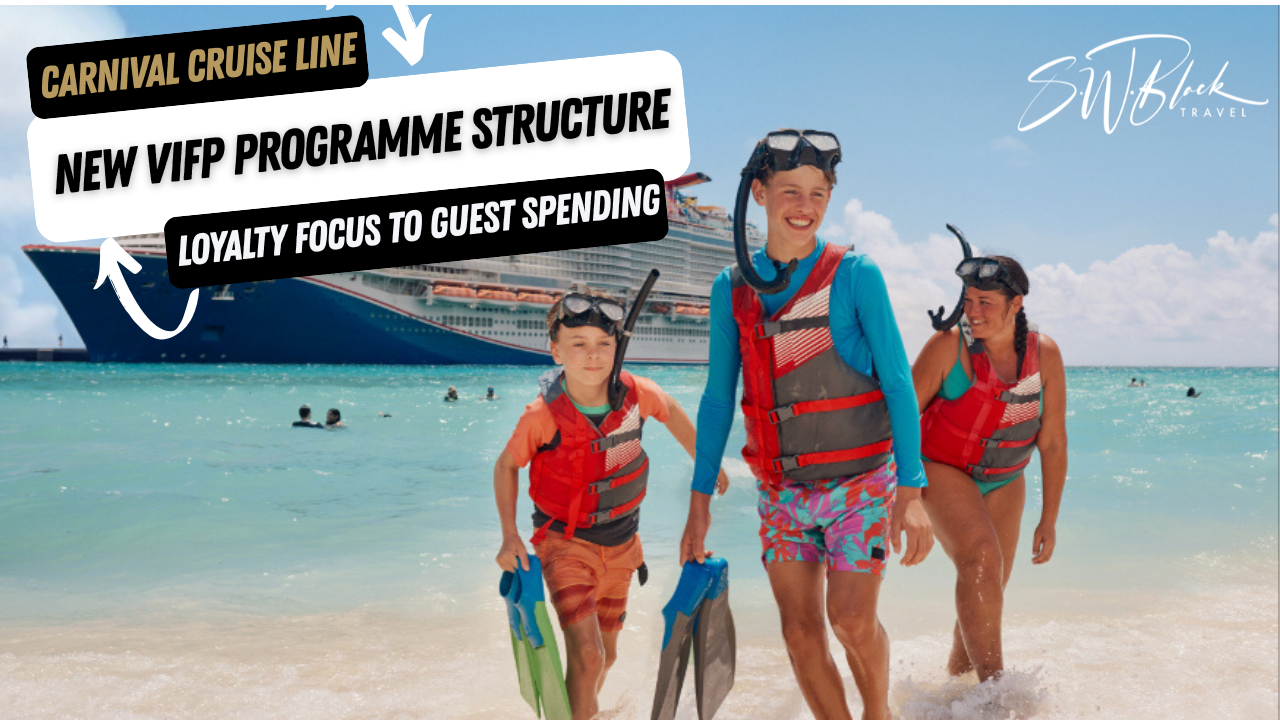
Carnival Cruise Line has launched an overhauled loyalty programme, changing the main basis of guest recognition from nights sailed to spending with the brand. The new structure replaces the VIFP programme, first launched in 2012, and it has drawn criticism from some guests who feel long-built loyalty has been “overlooked”.
For returning guests, Carnival Rewards is more than a name change. It alters how future cruise value is judged, especially for travellers who previously measured progress through cruise nights and repeated sailings.
What the Loyalty Change Means for Cruise Planning
Carnival’s loyalty shift matters because it changes the way repeat guests assess future bookings. A loyalty programme sits beside destination, ship, cabin, fare, and onboard plans, so a major change deserves a careful review.
Travellers should treat the new structure as part of the wider value conversation. The best cruise choice still starts with the holiday itself, but loyalty recognition now needs a fresh look.
Spending Now Carries the Primary Weight
The new programme primarily recognises guests for spending with Carnival. This marks a clear shift from a nights-sailed model, where progress felt closely tied to time spent cruising. Guests who sail often now need to understand how spending influences recognition.
A spending-led approach places more focus on the total relationship with the brand. Fare choice, onboard purchases, and future booking habits all become more relevant to loyalty value. This makes the programme more closely tied to overall spend rather than cruise history alone.
For travellers, the practical step is simple. Review how each future sailing fits your budget, travel goals, and loyalty priorities before booking. Loyalty should support the decision, not replace the decision.

Image courtesy of Carnival Cruise Line
Nights Sailed No Longer Lead the Same Way
The previous VIFP programme had been in place since 2012, giving guests a familiar structure for more than a decade. Many Carnival guests understood loyalty progress through cruise nights, tier movement, and accumulated time aboard the line’s ships. That made the system feel straightforward for regular cruisers.
With the new structure, nights no longer carry the same primary role. Guests who built their loyalty through repeated cruises might feel the change more strongly than newer travellers. The criticism around loyalty being “overlooked” reflects that shift.
This is why returning guests should not rely on old assumptions. A future Carnival booking needs to be assessed under the new programme rules. Past sailing habits might not produce the same loyalty outcome going forward.
Booking Choices Need a Fresh Review
A loyalty change of this scale affects how travellers compare future sailings. The itinerary, ship, cabin or suite, fare, and total spend all need to be reviewed together. A lower-fare cruise, a shorter sailing, or a different onboard spending pattern might now affect recognition in a new way.
This does not mean travellers should choose a cruise for loyalty status alone. The destination, timing, shipboard experience, and total holiday value remain central. Loyalty matters most when it supports a cruise you already want to take.
For S.W. Black Travel clients, the conversation should stay practical. A cruise adviser helps place the loyalty change beside real travel needs, including where you want to go, how long you want to sail, and what kind of cabin or suite suits your plans. That keeps the decision grounded in the full trip.
Why Returning Guests Are Reacting Strongly
Replacing a long-running loyalty programme often creates strong responses. Carnival’s VIFP programme had shaped guest expectations since 2012, so the move to a spending-led structure naturally affects how repeat cruisers view recognition.
The reaction is not only about benefits. It is also about how loyal guests feel seen by a brand they have returned to over many years.

Image courtesy of Carnival Cruise Line
The Former VIFP Programme Had Long Familiarity
VIFP gave guests a long-established framework for understanding loyalty with Carnival. Since its 2012 launch, repeat cruisers have had time to learn the system, track their status, and connect cruise nights with progress. That familiarity becomes valuable when travellers plan year after year.
A major programme replacement disrupts that sense of continuity. Guests who spent years working towards recognition under one structure now need to interpret a different set of rules. The more time a traveller invests in the former system, the more noticeable the change feels.
This is why programme transitions need careful reading. Even when a new structure has clear rules, the change itself affects expectations. Travellers should review what carries across, what changes, and how future bookings will be recognised.
Loyalty Has an Emotional Side
Cruise loyalty is not purely transactional for many guests. It often reflects holidays taken with family, favourite ships, familiar crew, repeat destinations, and a long connection with a cruise line. That emotional side helps explain why some guests have reacted strongly.
When guests say their loyalty has been “overlooked”, they are responding to more than a points structure. They are questioning how past travel is valued under the new system. For loyal cruisers, recognition often feels personal because it is tied to years of holidays and choices.
The launch of Carnival Rewards, therefore, sits at the intersection of business policy and guest sentiment. Carnival is shifting the basis of recognition, while some guests are assessing whether the new model reflects their history. That tension is worth understanding before making assumptions about the programme.
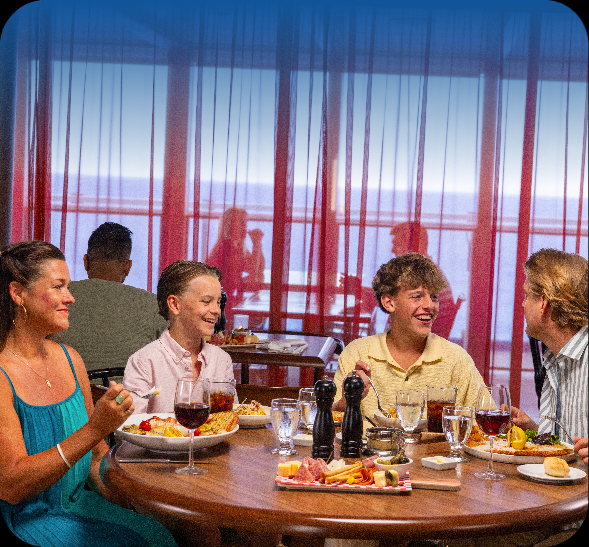
Image courtesy of Carnival Cruise Line
Newer Guests Will Read the Rules Differently
Newer Carnival guests will likely approach the programme with fewer expectations from VIFP. They start by learning the current structure rather than comparing it against a system they have used for years. This gives them a different decision path.
For those guests, the focus will sit on how future spend connects with recognition. They still need to consider whether the programme adds value, but the change might feel less disruptive. Their main task is to understand the current rules before booking with loyalty in mind.
First-time or occasional cruisers should keep the programme in perspective. Choose the cruise based on destination, ship, cabin or suite, timing, and total value first. Then review how the loyalty programme fits the way you plan to travel.
Carnival’s loyalty update gives returning guests another reason to look closely at future sailings before booking. Use Cruise Finder to compare Carnival options by destination, ship, sailing length, cabin or suite type, and timing.
Cruise Finder helps place loyalty considerations beside the practical parts of a cruise. That makes it easier to compare the trip itself before deciding how much the revised programme should influence your plans.
Choose Carnival with a Clear View of Value
Carnival’s new loyalty structure marks a clear shift from the former VIFP programme. With guest recognition now primarily linked to spending rather than nights sailed, returning travellers should review how the change fits their future cruise habits.
Before choosing your next Carnival cruise, compare the ship, destination, cabin or suite, sailing length, fare, total spend, and your loyalty priorities. Speak with an S.W. Black Travel adviser to review Carnival options with a clear view of the cruise experience and the wider value attached to your booking.

Comments