


There is something especially telling about the past year’s cruise figures, because they do not simply show recovery or stability, they show a market that is moving into a new phase. The latest Australian Ocean Source Market results point to stronger demand, a clear preference for nearby sailings, a noticeable shift toward shorter itineraries, and a passenger base that is gradually getting younger. For travellers, that means the conversation is no longer only about where ships are going, but also about how people now want to travel.
CLIA reports that Australia’s 2025 ocean cruise market reached a record 1.45 million passengers, up 9.5% year on year. Most sailed locally, average trip length fell to 7.5 days, average passenger age dropped to 47.3, and Australia remained the world’s fourth-largest cruise source market, even as long-haul and fly-cruise demand continued to build.
What the 2025 Record Says About Demand
The numbers matter a lot because it gives proper scale to what is happening. This is not a modest bump or a one-off spike. It is a strong market signal, and it says quite a lot about where cruising now sits in the broader holiday mix for Australian travellers.
A New Passenger Record Changes the Conversation
Australians took 1.45 million ocean cruise holidays in 2025, which marks a 9.5% increase from 1.32 million in 2024. That total also moved past the previous record of 1.35 million set in 2018, which makes this more than just a post-pandemic rebound story. It suggests that cruising has deepened its place in mainstream travel planning and is attracting enough sustained demand to set a completely new benchmark.
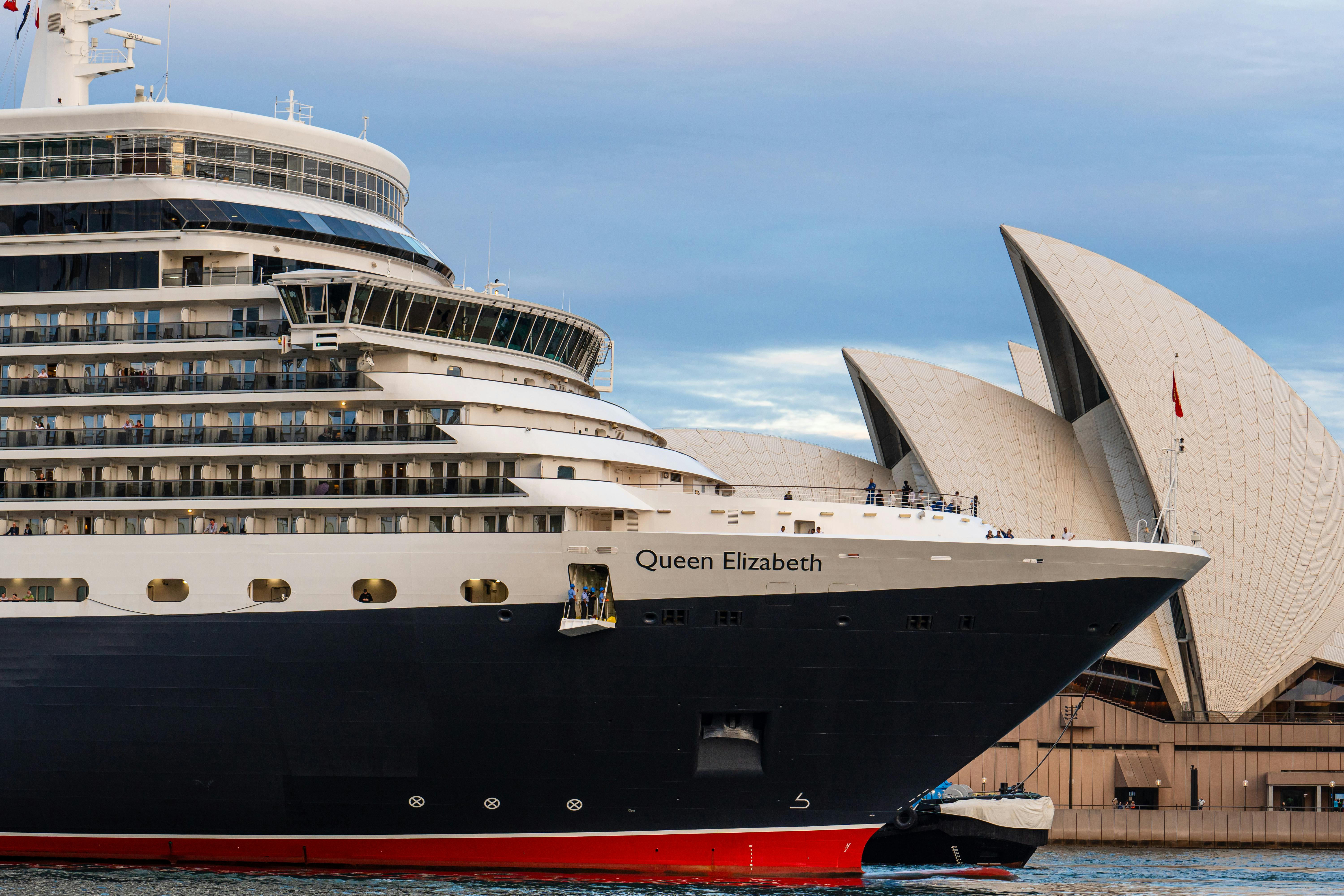 Image courtesy of Sunil Nepali
That matters for travellers because strong demand usually supports broader product variety over time. When more people are cruising, there is a stronger case for lines to refine itineraries, sharpen pricing strategy, and keep investing in formats that actually match how people prefer to holiday. In simple terms, a healthier market tends to create a better environment for choice.
Local Cruising Is Still Doing the Heavy Lifting
One of the clearest takeaways from the 2025 data is that local and near-home cruising still carry the most weight. Around 1.16 million Australians, or 80.3% of the total market, cruised within Australia, New Zealand, and the South Pacific. That tells us the core appeal of cruising remains closely tied to convenience, familiarity, and the ease of getting a genuine holiday without the planning load that often comes with long-haul travel.
This also fits what many travellers have been showing for some time. A closer-to-home sailing can still offer variety, sea time, and a clear break from routine, while keeping flights, transfers, and time away from work or family more manageable. Even with growing interest in further-flung itineraries, the local region still feels like the natural centre of gravity for the market.
Australia Is Holding Its Place Globally
The global context makes the local numbers even more interesting. Worldwide cruise tourism reached 37.2 million passengers in 2025, up 7.5% from 34.6 million in 2024, and Australia remained the world’s fourth-largest cruise source market with 1.45 million passengers. That kept it ahead of Canada and Italy, which is a meaningful result when looking at Australia’s population size relative to some of the larger cruise markets.
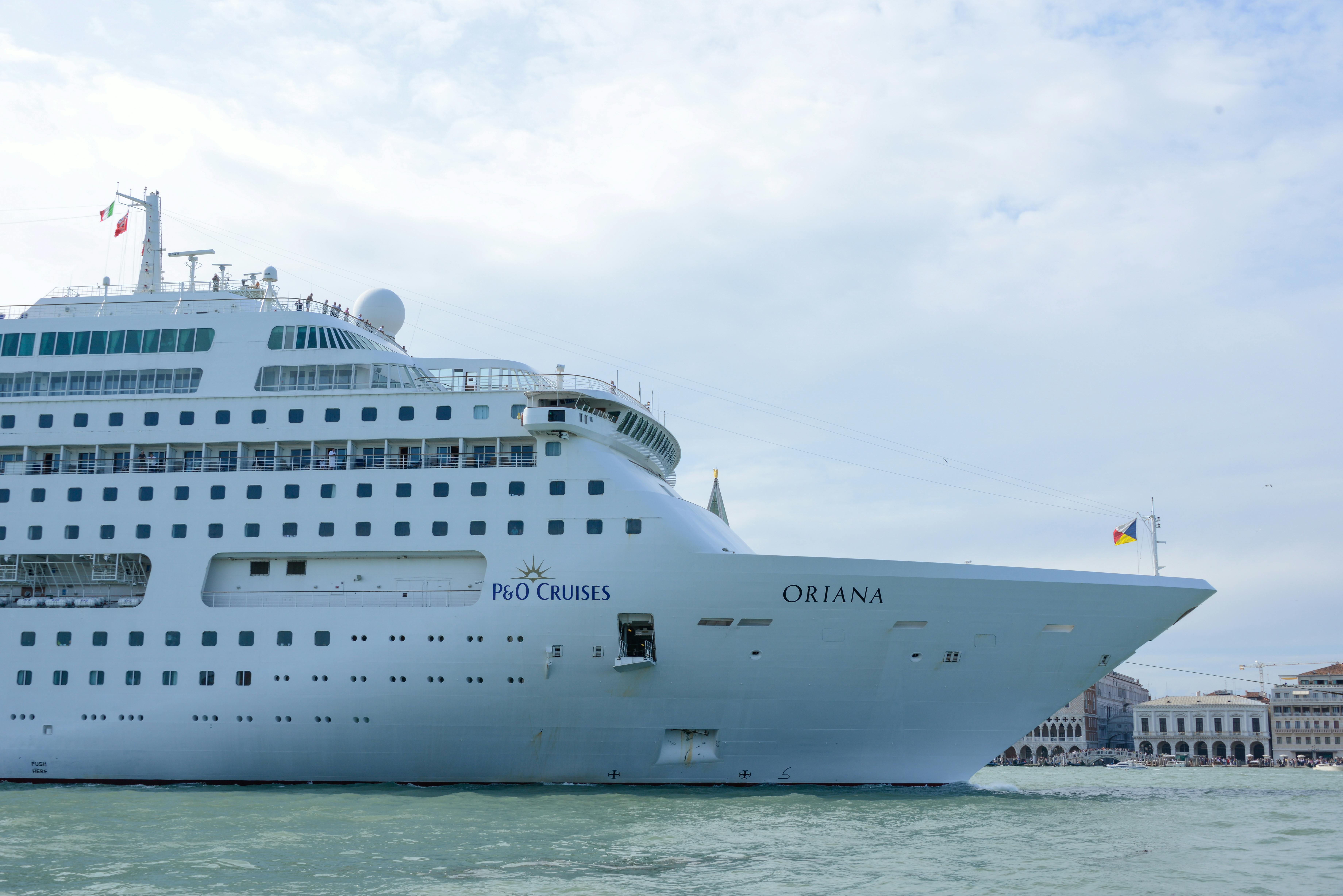 Image courtesy of Diego F. Parra
For travellers, this is more than an industry bragging point. It shows that Australia continues to matter in how cruise lines think about future demand, marketing, and long-term positioning. Even when local deployment challenges exist, the passenger base itself remains significant enough to keep the market firmly in the global picture.
Where Australians Are Cruising Now
The destination spread helps explain how the market is balancing comfort with curiosity. Most Australians are still cruising in the local region, but there are clear signs that interest in longer-haul travel is becoming more important again. That gives the market a slightly more layered shape than the headline alone might suggest.
The Local Region Still Leads by a Wide Margin
Australia itself remained the largest single destination category, accounting for 958,000 passengers, or 66.1% of the market. Beyond that, the South Pacific drew 127,000 passengers and New Zealand attracted 78,000, reinforcing how strongly the wider local region still performs. These are not minor supporting routes, they are the main framework of the Australian market.
That strength makes sense because these itineraries often align well with shorter trip lengths and easier embarkation choices. For many travellers, a cruise in Australia, New Zealand, or the South Pacific still offers the best mix of access, comfort, and holiday value. It also explains why demand for local cruising remained strong even as the broader destination mix became more diverse.
Long-Haul Interest Is Climbing Again
At the same time, the share of Australians sailing to long-haul destinations rose from 18.5% in 2024 to 19.7% in 2025. In real terms, that meant 286,000 Australians cruised outside the local region, which represents a 17% increase. The most popular destination outside the local region was the Mediterranean with 92,000 passengers, followed by Asia with 65,000, Alaska with 36,000, and the Caribbean with 25,000.
This is one of the most useful shifts in the report because it shows that travellers are not only staying close to home. A meaningful portion of the market is once again willing to fly for the right cruise experience, especially where destination depth and itinerary style justify the extra planning. That makes the market feel more balanced, rather than being shaped by one preference alone.
Overseas Visitors Still Matter in Our Region
Another detail that deserves attention is the international passenger flow into this part of the world. A total of 241,000 overseas visitors cruised in Australia, New Zealand, and the South Pacific during 2025. The largest share came from North America at 144,000, followed by Europe at 42,000, New Zealand at 33,000, and Asia at 15,000.
That is worth noting because it reminds us the regional cruise picture is not only being shaped by local demand. International interest in cruising this part of the world remains meaningful too. For travellers, that matters because inbound demand can influence itinerary strength, ship deployment, and how the region is perceived within the wider global cruise network.
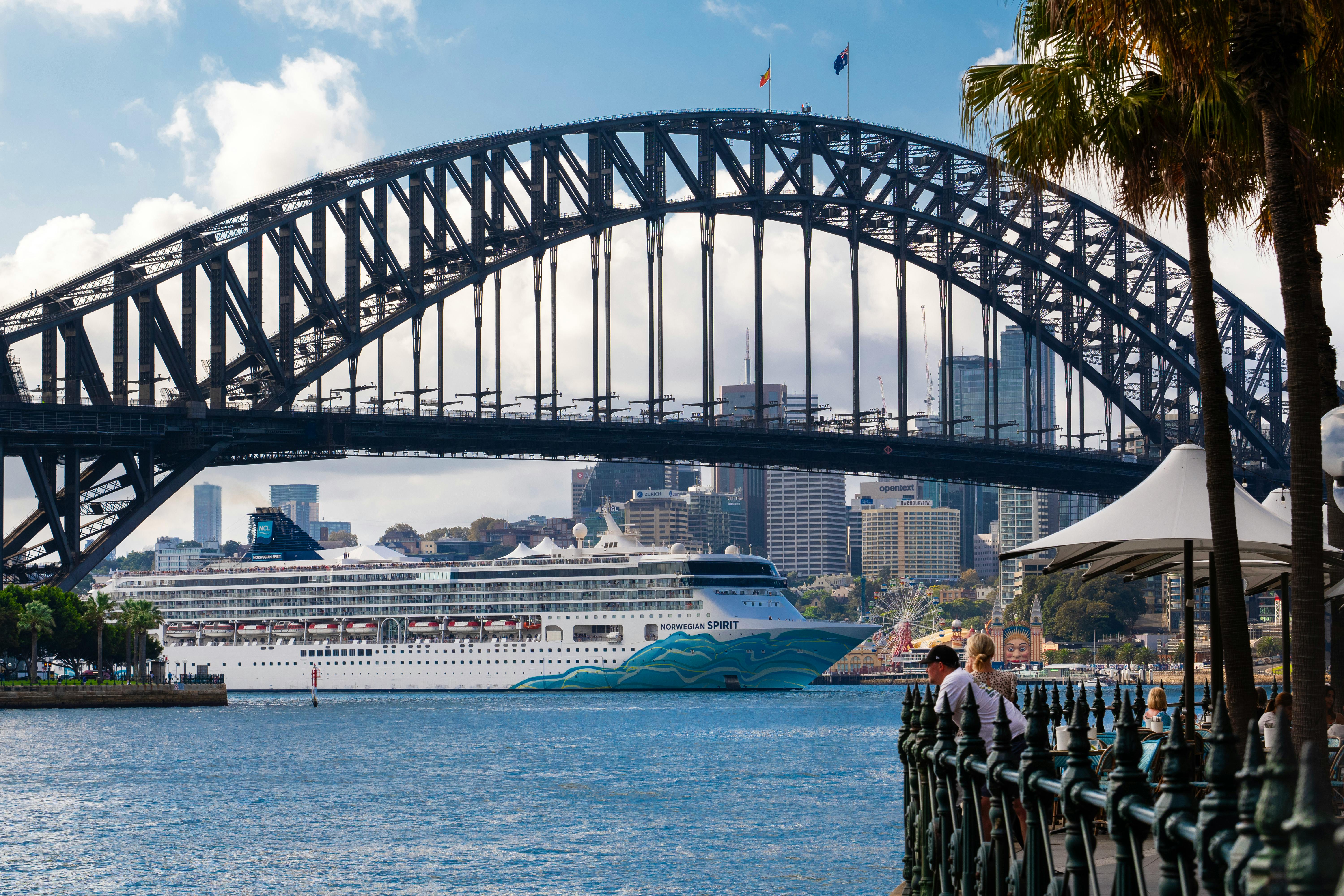 Image courtesy of Ramaz Bluashvili
How Passenger Behaviour Is Changing
This is where the report becomes especially useful, because it does not only tell us how many people cruised. It also shows how people are changing the way they cruise. Those shifts are important because they often influence what kinds of itineraries become more common in the years ahead.
Shorter Itineraries Are Clearly Winning More Attention
The average duration of an ocean cruise taken by Australians fell from 8.0 days in 2024 to 7.5 days in 2025. That may look like a small change at first glance, but it tells a larger story about traveller priorities. Cruise lines are responding to demand for short-break formats, and travellers are clearly meeting them there.
Shorter itineraries often suit the realities of modern holiday planning. They can be easier to fit around work, family commitments, and school schedules, and they tend to reduce the sense that a cruise requires a major logistical effort. This trend also helps explain why domestic and near-home cruising remain so important, because shorter departures often work best when the journey to the ship is simpler.
The Passenger Base Is Getting Younger
The average age of an Australian cruise passenger dropped to 47.3 in 2025, down from 48.4 the year before. More than one third of Australian cruisers, 34.2%, were under 40, and the age mix shifted upward in younger brackets such as under 12s and travellers in their 30s. That points to a market that is slowly broadening beyond older, traditional cruise audiences.
This change matters because younger travellers often bring different expectations around pace, trip length, value, and destination style. They may be more open to shorter sailings, more likely to combine cruising with other travel plans, and more interested in flexibility over formality. Over time, that can shape everything from onboard programming to the way itineraries are designed and marketed.
Age and Destination Choices Are Closely Linked
One of the more interesting findings in the report is the relationship between age and itinerary type. Younger travellers tend to favour shorter cruises closer to home, while older travellers are more likely to choose longer itineraries in fly-cruise destinations such as Europe, Asia, and Alaska. That gives the market a clearer segmentation than many people assume.
This is useful because it shows there is no single Australian cruise traveller. Preferences vary by age, but also by time available, travel confidence, and how much distance people are willing to build into the holiday. For trip planning, that means the best cruise choice is increasingly about fit rather than simply popularity.
Why the Market Still Has Room to Grow
The most encouraging thing about the 2025 picture is that it combines strong current performance with signs of future opportunity. At the same time, the report does not ignore local pressures. That balance makes it a more realistic, and more useful, snapshot of where things stand.
Global Growth Still Supports Cruise Demand
CLIA’s global outlook projects 38.3 million passengers in 2026, rising to 42.1 million by 2029. That forecast matters because it puts Australia’s record year inside a broader upward trend rather than treating it as a regional outlier. It suggests cruise demand internationally still has momentum, and that the wider travel environment remains supportive of continued growth.

Image courtesy of Lachlan Ross
For travellers, this usually means cruising will stay competitive as a holiday category. Lines are more likely to keep refining products, building out destination stories, and looking for ways to attract both returning guests and people who have not cruised before. A growing global market often leads to stronger differentiation, which can be good news when choosing among styles of voyage.
Repeat and First-Time Potential Both Look Strong
The consumer sentiment figures are also worth paying attention to. Of those who have cruised before, 89.7% say they are likely to cruise again. Of those who have never cruised before, 75.6% say they would consider a cruise in the future. That combination is a strong one because it suggests the market is supported by both loyalty and curiosity.
That is exactly the kind of mix that tends to keep a category resilient. Repeat cruisers help provide dependable demand, while open-minded first-timers create room for fresh growth. For the market overall, that means the current record may not be the ceiling, especially if product and policy conditions support it.
Local Challenges Still Need Serious Attention
The report is not purely celebratory, and it should not be. It points out that local deployment has been affected by regulatory uncertainties and high costs, and that several notable brands have left the region. That is an important reminder that strong consumer demand alone does not automatically guarantee stronger local supply.
This is probably the most important caution in the whole report. The opportunity is clearly there, but realising it depends on a more competitive and stable policy setting that supports long-term deployment and investment. In other words, demand is doing its part, and now the operating environment needs to make sure that growth can be matched properly.
If these shifts are shaping how you think about your next holiday, it is worth spending a little time with the Cruise Finder. Looking across regions, sailing lengths, and cruise styles can help turn broad market trends into a more practical shortlist for your own travel plans.
It is also a useful way to compare whether a shorter local sailing or a longer fly-cruise itinerary suits you better right now. The Cruise Finder makes it easier to line up your timing, destination interests, and travel style with what is actually available.
Use These Trends to Plan Smarter Cruise Holidays
What stands out most in the Australian Ocean Source Market data is not only that cruising set a new record in 2025, but that the shape of demand is becoming more defined. Local cruising remains the backbone of the market, long-haul interest is rebuilding, itineraries are getting shorter, and the passenger mix is broadening in age. Together, those shifts make the market feel active, modern, and full of planning opportunities for different kinds of travellers.
For anyone thinking about where cruising may fit into their next holiday, this is a good moment to look more closely at what the numbers are really saying. If you want help comparing regions, itinerary lengths, and cruise styles that match how you travel now, get in touch with S.W. Black Travel for tailored advice.

Comments